We’ve all seen the photos: a celebrity gives birth on Tuesday and looks flawless in a bikini by Thursday. Meanwhile, the rest of us are still trying to figure out what happened to our feet.
The truth is pregnancy causes some surprising long-term changes to your body, regardless of whether you’re a celebrity or a soccer mom. And that’s not necessarily a bad thing.
Dr. Shazia Malik, a consultant OB-GYN based in London, encourages women to reframe how they think about these changes. “I like to tell my patients that you see every change as a true badge of honor that you did this,” Malik tells Popular Science.
Here are seven ways pregnancy changes your body for good.
Your shoe size might increase
If you’ve ever inherited hand-me-down shoes from a new mom who complains they no longer fit, you might already know a bit about how pregnancy can affect shoe size. According to Dr. Sherry Ross, OB-GYN and co-founder of the women’s health podcast Pair-a-Docs, many women experience widening or lengthening of their feet due to hormones designed to help the body adapt to a growing baby.
“Relaxin is a hormone responsible for influencing and loosening the joints and ligaments in the feet, which can cause changes in shoe sizes,” Ross says. “Swelling of the feet and weight gain, especially in the third trimester, also contribute to a change in shoe size.”
For some women, this change is temporary, and they return to their pre-pregnancy shoe size. For others, the change is permanent and becomes a great excuse to go shoe shopping.
Some women also find their hands become slightly larger during pregnancy, a change that can be permanent. The exact mechanism behind these skeletal changes isn’t fully understood. It is, as Malik puts it, “one of the great mysteries of life.”
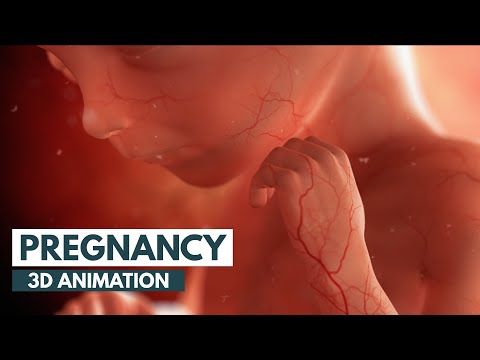
Pregnancy: A Month-By-Month Guide | 3D Animation
While in the womb, babies grow rapidly. Video: Pregnancy: A Month-By-Month Guide | 3D Animation, Dr. Paulien Moyaert
Breastfeeding may protect against certain cancers—and change your breast size
As nurturing and life-giving as breastfeeding is, its long-term impact on breasts tends to get a bad rap. But it’s not all about sagging boobs—breastfeeding can have long-term protective effects for mothers.
According to Malik, breastfeeding decreases the risk of ovarian cancer. With each additional child, the risk of ovarian cancer lowers.
For breast cancer, the relationship is more nuanced. While pregnancy slightly increases your risk for certain aggressive breast cancers, breastfeeding may help offset that risk, according to Malik.
But those well-worn jokes about postpartum breasts aren’t entirely without merit. According to Ross, breasts can increase two to three times their normal size during pregnancy, and continue growing while nursing.
After weaning, breasts lose the glandular tissue that developed for milk production, and fatty tissue composition also changes. “This can ultimately lead to smaller, less dense, and less firm breasts,” Ross says.
“All of these collective changes during pregnancy and postpartum can affect breast size long-term.”
Pregnancy can reveal your future heart disease risk
Pregnancy might leave a few battle scars, but it also offers a surprising silver lining: information about potential health risks.
“Pregnancy is the first ‘stress test’ on a woman’s body,” says Ross. Complications like hypertension during pregnancy, preterm labor, gestational diabetes, or having an unusually small baby can indicate an increased risk for cardiovascular disease later in life.
This matters because cardiovascular disease is the leading cause of death among women, affecting one in four. Pregnancy can help reveal these risk factors early, potentially decades before heart problems would otherwise show up. This gives women eye-opening information to make valuable lifestyle changes, such as monitoring blood pressure, staying physically active, and maintaining a healthy weight.
“Most pregnant women are surprised to learn that pregnancy can shine a light on future illnesses such as heart disease and diabetes, or autoimmune conditions worsening after pregnancy,” Ross says. “The cliché that knowledge is power cannot be understated when it comes to understanding these risks associated with pregnancy and how to protect your future health.”
Your joints, back, and posture may never fully recover
Pregnancy doesn’t just change how you look. It fundamentally alters your body’s structural support system, often permanently.
According to Ross, normal hormonal changes during pregnancy impact posture and balance stability. Additionally, factors like increased body weight, increased abdominal pressure, and normal changes in spinal curvature can cause lasting pain and stiffness in the back, hips, and joints.
“These disruptive physical changes can lead to upper and lower back pain, pain in the hips, pelvis, knees, and tailbone, and movement and sitting limitations,” says Ross.
The causes are multifaceted: Relaxin (the same hormone associated with bigger feet) loosens ligaments that support weight-bearing joints. Meanwhile, the growing belly shifts your center of gravity and changes spinal curvature, while increased body weight puts additional strain on already-loosened joints.
Your pelvic floor may weaken permanently
You might have heard about the importance of strengthening your pelvic floor muscles in the same generic way you know you’re supposed to eat your vegetables, but it might take having a baby to truly understand the important job these muscles do.
The pelvic floor muscles support the uterus, bladder, and bowel—and pregnancy can weaken them significantly, even after just one vaginal birth.
According to Ross, when pelvic floor muscles weaken, pelvic organs can drop and create a bulge into the vagina, a condition called pelvic organ prolapse. “Symptoms from a prolapse range from uncomfortable pelvic pressure to leakage of urine and problems having a bowel movement,” Ross explains.
Urinary incontinence is especially prevalent. “Loss of urine with coughing, sneezing, or laughing is common even after having one vaginal birth,” says Ross. While Kegel exercises and pelvic floor physical therapy can help manage these symptoms, some women experience permanent changes that require ongoing management.
Related ‘Ask Us Anything’ Stories
Abdominal muscles may separate permanently
During pregnancy, the two vertical muscles running down the front of your abdomen, the rectus abdominis muscles, must stretch to accommodate your growing baby. But in some women, these muscles stretch more than normal, creating a gap that may never fully close.
This condition, called diastasis recti, can cause ongoing abdominal pain and backache long after delivery. “It’s really important that you see a physiotherapist, maybe do some Pilates and really strengthen your abs post-delivery,” says Malik.
Your baby may remain in your brain
One of the most fascinating effects of having a baby sounds like something out of a sci-fi movie: Your baby’s cells might migrate into your body, take up residence in your brain and other organs, and stay there for decades.
The phenomenon is known as fetal-maternal microchimerism. During pregnancy, some of your baby’s DNA may cross the border of the placenta, enter your bloodstream, and persist in organs, such as your kidneys, liver, spleen, lungs, heart, or brain.
These cells don’t just live in your brain (or other organs) rent-free, either. They have been associated with possible maternal benefits, including protection against certain cancers, scar healing, and more.
“They may be protective in terms of Alzheimer’s,” says Malik. “They could be stem cells and help the mother repair sites of injury, or they might have an impact on the immune system.”
Also, there’s just something poetic and reciprocal about your child passing on some of their DNA to you.
“It’s an emerging field, but it’s quite fascinating,” Malik says. “In a sense, when you become a mother, you carry your child with you for years.”
In Ask Us Anything, Popular Science answers your most outlandish, mind-burning questions, from the everyday things you’ve always wondered to the bizarre things you never thought to ask. Have something you’ve always wanted to know? Ask us.

2025 PopSci Best of What’s New
Science,Ask Us Anything,Diabetes,Diseases,Health,Heart Diseaseevergreen,Features,News#wild #ways #pregnancy #body1772720391