

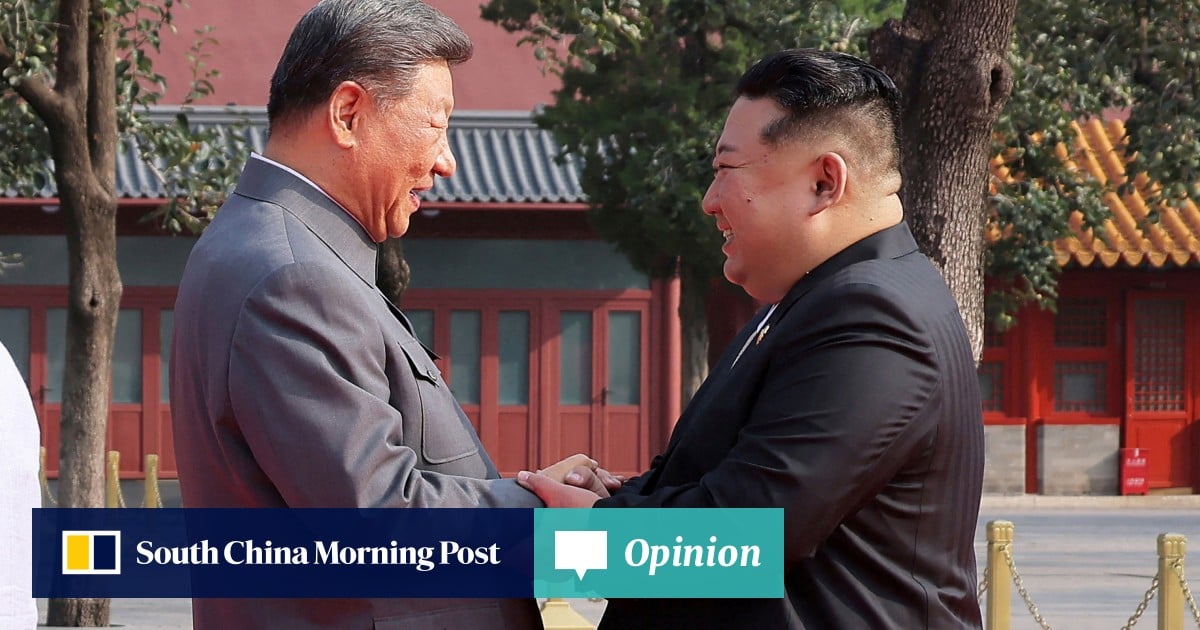
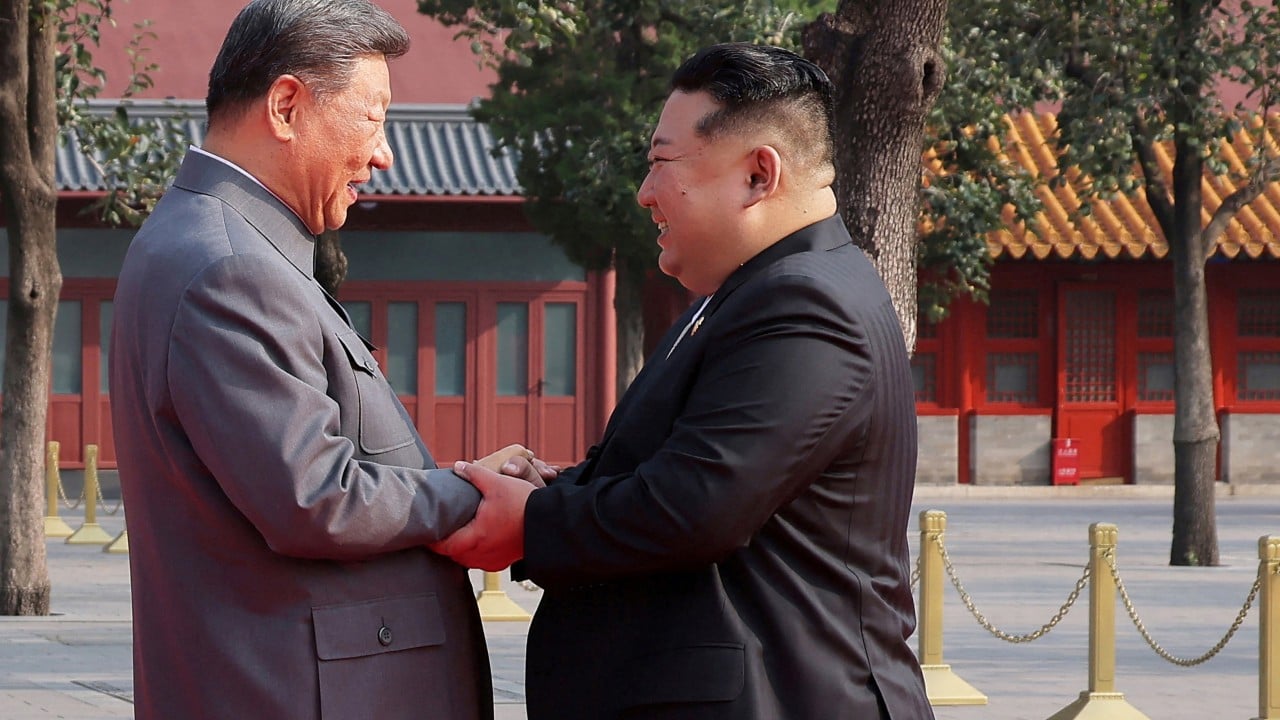
The Ukraine war and Donald Trump’s return to the White House have significantly altered northeast Asia’s geopolitical landscape. North Korea’s defence treaty with Russia and leader Kim Jong-un’s decision to deploy troops to support Moscow have shattered any remaining illusions of strategic restraint.
While Russia is believed to be supplying North Korea with finance and technology, Japan and South Korea are accelerating military spending and preparing for long-term confrontation, potentially – albeit distant and fraught with difficulties – developing nuclear capabilities.
These dynamics create acute regional instability and undermine China’s long-term objectives. The time has come for Beijing to make Kim an offer he cannot refuse, to take the initiative and launch a bold plan that can bring much-needed peace and stability to the peninsula while consolidating China’s position as the region’s prominent power.
China’s strategic objectives on the Korean peninsula are grounded in long-term regional stability and national interests rather than ideology or reactive politics.
First, Beijing seeks permanent peace and prosperity in Northeast Asia. Yet China’s strategic ambiguity towards North Korea has increasingly hindered this objective.
North Korea’s nuclear weapons development and repeated provocations create regional instability, disrupt economic integration and heighten the risk of conflict, while also providing Washington with a pretext to expand and legitimise its deeper military coordination with Japan and South Korea. The resulting reinforcement of the US-led security architecture reduces China’s strategic room for manoeuvre.
Japan, Korean peninsula, Russia, Taiwan, US, Kim Jong-un, Northeast Asia, Moscow, Donald Trump, North Korea, Washington, The Ukraine war, China, Beijing, South Korea#Opinion #timing #China #press #North #Korea #denuclearisation1768253447

Beijing
China
denuclearisation
Donald Trump
Japan
Kim Jong-un
Korea
Korean peninsula
Moscow
North
North Korea
Northeast Asia
Opinion
Press
Russia
South Korea
Taiwan
The Ukraine war
timing
US
Washington
Recent Post



Gallery






Featured Videos