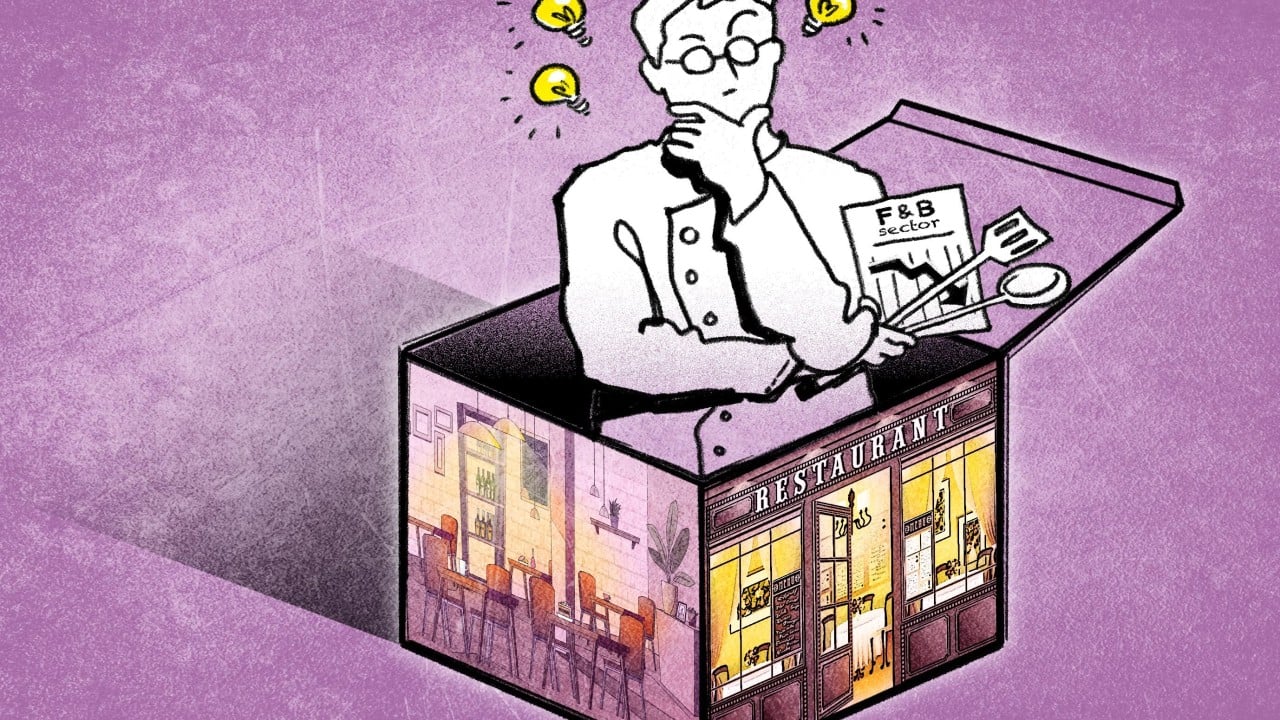
Scroll through Tam Jai International’s mobile apps and you will encounter a wave of perks, menu offerings and other choices laid out to tempt you to the Hong Kong restaurant group’s staple offering, noodles.
The apps are among several strategies, along with filling all dining segments from breakfast, lunch, tea and dinner with new menu items, that the chain has introduced in the past few months to win back diners who continue to cross the border in droves for leisure and dining.
Ronald Wong Kin-pong, the firm’s chief marketing officer, said the measures were a bid to tackle the “tough trend” of Hongkongers heading north to mainland China to spend their money.
“It’s been very … different from our expectation prior to Covid. For the locals … they are spending more and more time across the border in the Greater Bay Area cities. That is why we’ve been seeing, you know, weak weekend sales, weak holiday sales. That’s the first trend,” he said.
“And secondly, the tourists are not coming back as much as we expected. So that gives us extra pressure. And then add the competition from across the border also.”
But Tam Jai’s efforts were paying off, Wong said, noting that its dinner business had jumped 10 per cent in the past few months compared with before the customer relationship management (CRM) programme was revamped.
The group’s digital transformation resulted in sales penetration from the programme of “over 50 per cent”, meaning half of the revenue now came from known customers, a significant increase from the previous “20-something per cent”.
Nanshan, Penfolds, Greater Bay Area, Cafe de Coral Holdings, Samme Cheng Pak-man, Shenzhen, Tam Jai International, Charles Lam Tze-ching, Maxim's Group, Chan Ching-yee, Ronald Wong Kin-pong, Hong Kong, Hong Kong Convention and Exhibition Centre, Kuala Lumpur, Maxim's Cakes#Whats #cooking #Hong #Kong #restaurants #thinking #box #bid #survive1768524840

bid
box
Cafe de Coral Holdings
Chan Ching-yee
Charles Lam Tze-ching
cooking
Greater Bay Area
Hong
Hong Kong
Hong Kong Convention and Exhibition Centre
Kong
Kuala Lumpur
Maxim's Cakes
Maxim's Group
Nanshan
Penfolds
restaurants
Ronald Wong Kin-pong
Samme Cheng Pak-man
Shenzhen
survive
Tam Jai International
thinking
Whats
Recent Post



Gallery






Featured Videos