Twenty-five years after the deaths of two rescuers trying to help a drunk passenger at a Tokyo station shocked Japan and spurred safety upgrades, platform doors and other safeguards have reduced alcohol-linked accidents in the capital, but experts say the problem is far from eliminated.
“The situation has improved and many stations now have automatic barriers on their platforms to stop people falling onto the tracks,” said Masaki Maezono, a social worker specialising in alcoholism at Kurihama Medical Clinic in Yokosuka, south of Tokyo.
“But still there are problems involving drinking and trains, especially in areas where barriers have not been installed,” said Maezono, whose clinic is also the headquarters of the Japan Society of Alcohol-Related Problems.
“I think that compared to other nations, Japan’s efforts to prevent accidents linked to alcohol are lagging behind,” he told This Week in Asia.
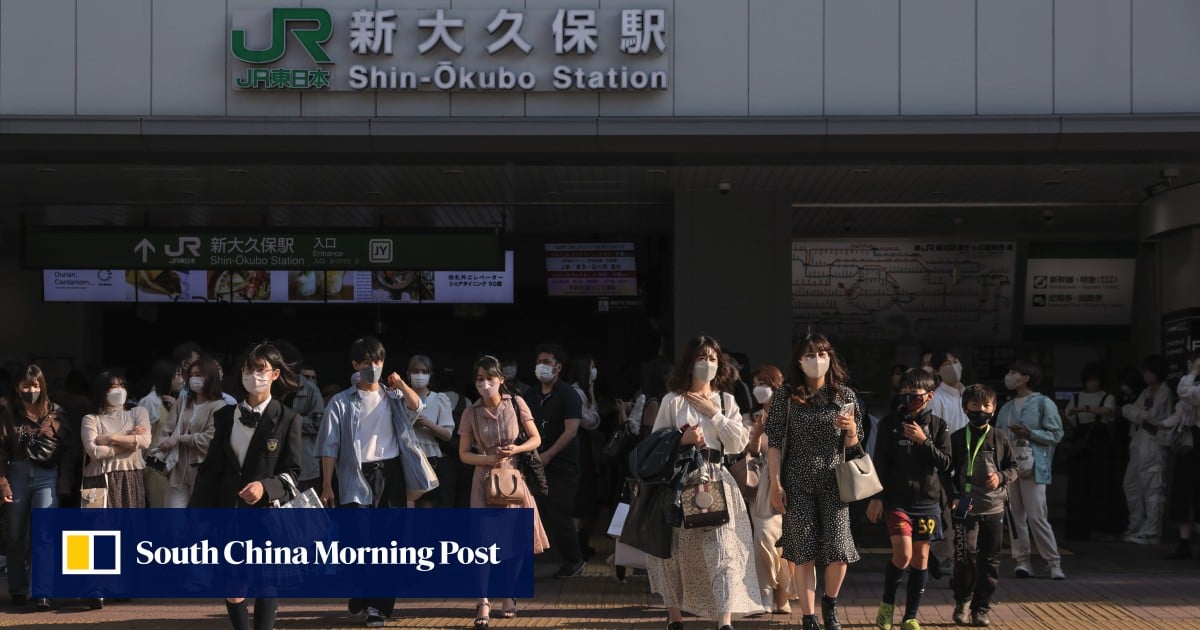
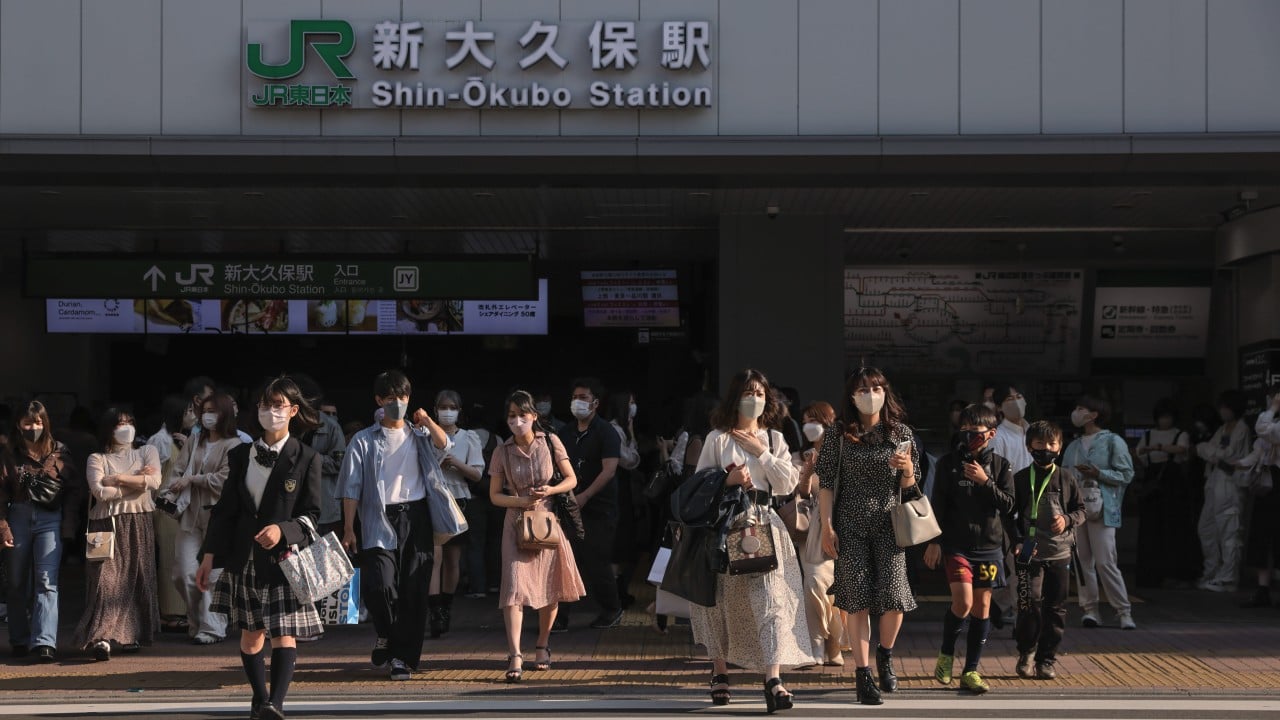
At 7.15pm on January 26, 2001, a man fell onto the tracks at Shin Okubo station, on the Yamanote Line in Tokyo’s Shinjuku district. Two other men on the platform – 26-year-old South Korean student Lee Soo-hyun and Shiro Sekine, a 47-year-old Japanese photographer from Yokohama – jumped down onto the tracks and were attempting to lift the man to safety when they were hit by a train. All three men died.
Lee’s efforts have been held up as an example of selflessness that crossed borders and a memorial service was held at Shin Okubo station on Friday attended by South Korean students taking part in a youth exchange programme set up after his death to foster closer bilateral ties.
Drunk passengers, Japan, Japan Housewives Association, Lee Soo-hyun, Shin Okubo station, Shiro Sekine, Japan Lawyers News, Tokyo, Masaki Maezono, JR East, Kurihama Medical Clinic, Japan Alcohol Problem Liaison Council, Keikyu railway company, Alcohol-linked accidents, Japan Society of Alcohol-Related Problems#years #fears #alcohollinked #accidents #Japan #linger #rail #safety #upgrades1769472580

accidents
Alcohol-linked accidents
alcohollinked
Drunk passengers
fears
Japan
Japan Alcohol Problem Liaison Council
Japan Housewives Association
Japan Lawyers News
Japan Society of Alcohol-Related Problems
JR East
Keikyu railway company
Kurihama Medical Clinic
Lee Soo-hyun
linger
Masaki Maezono
rail
safety
Shin Okubo station
Shiro Sekine
Tokyo
upgrades
years