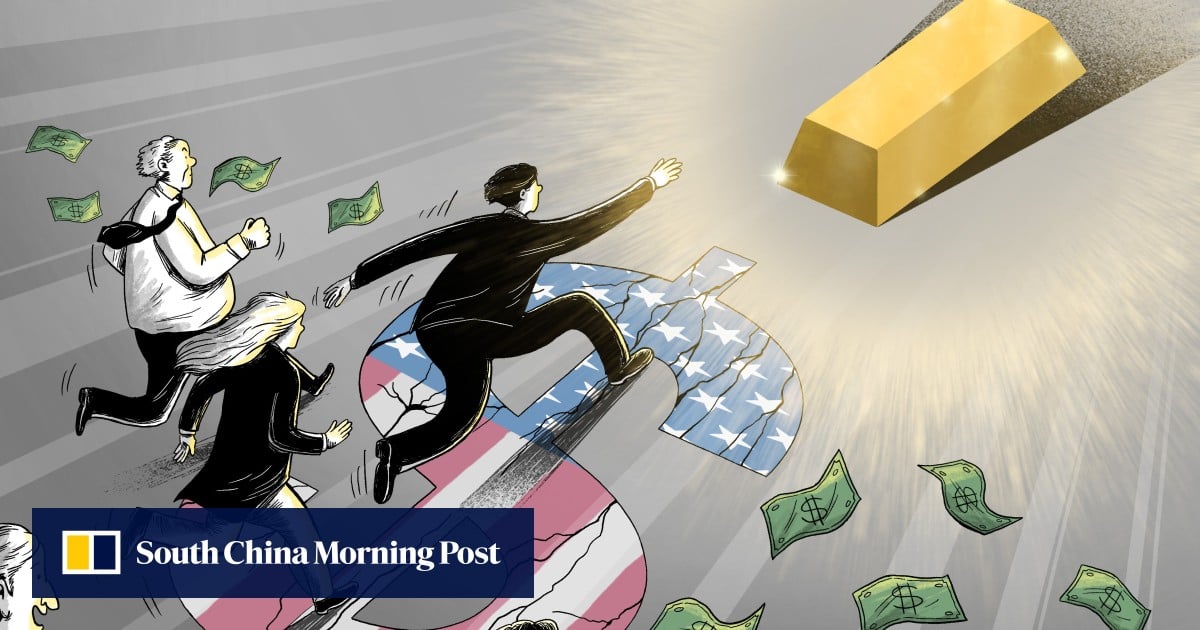
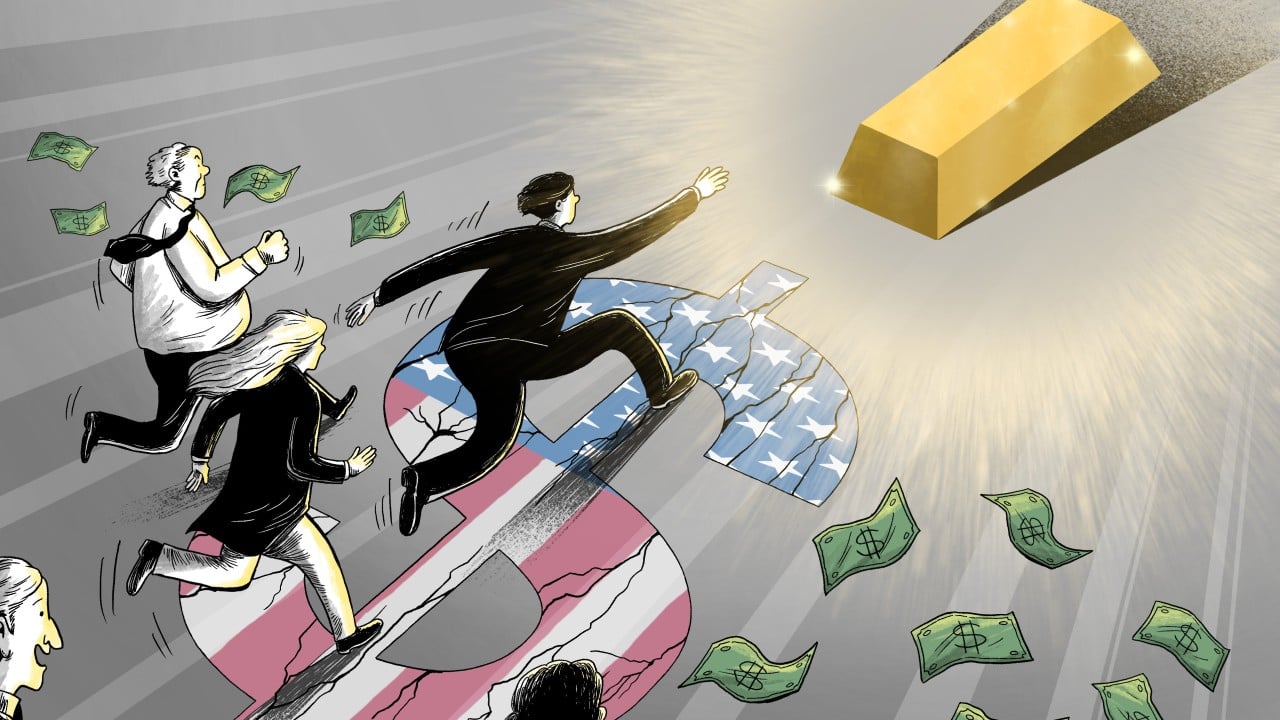
For decades, the US dollar has served as the currency of global reserve, the de facto anchor for the vast majority of international exchanges.
Consequently, United States government debt – most commonly in the form of Treasury assets such as bonds, notes and bills – has long been regarded as a safe haven by investors, prized for its unmatched liquidity and deep market penetration.
That faith has remained strong in the past, even amid global financial crises. But the events of recent weeks suggest that trust could be starting to fray.
Shortly after US President Donald Trump said he would levy double-digit tariffs on eight European countries for their opposition to his threatened seizure of Greenland, a semi-autonomous territory of Denmark, market players have been voting with their feet.
AkademikerPension, a Danish pension fund for educational professionals, announced plans to divest from US Treasuries, and Greenland’s SISA Pension fund is also reportedly weighing a pullback from US assets.
While those withdrawals would represent a drop in an ocean worth trillions of US dollars, analysts said Trump has opened a Pandora’s box. They warned distrust from US allies – compounded by persistent de-dollarisation endeavours by China and some emerging markets – could snowball, eventually straining cross-Atlantic relations and hollowing out the pillars of US financial dominance.
“Trump injects political risk into US assets,” said Alicia Garcia-Herrero, chief economist for the Asia-Pacific region at the French investment bank Natixis.
SISA Pension fund, Alecta, Greenland, World Economic Forum, Raymond Yeung, Cliff Zhao, Charles Chang, Ukraine, US dollar, Natixis, Daan Struyven, China, DeepSeek, European Commission President Ursula von der Leyen, Nicolas Maduro, People's Bank of China, CCB International (CCBI), Sweden, Jerome Powell, US Treasuries, Russia, Mohamed El-Erian, Alicia Garcia-Herrero, Poland, Wilson Zou, Federal Reserve chair Jerome Powell, Donald Trump, ANZ Bank, AkademikerPension, Goldman Sachs, Lina Thomas#age #Trump #safehaven #assets #safe1769557008

Age
AkademikerPension
Alecta
Alicia Garcia-Herrero
ANZ Bank
assets
CCB International (CCBI)
Charles Chang
China
Cliff Zhao
Daan Struyven
DeepSeek
Donald Trump
European Commission President Ursula von der Leyen
Federal Reserve chair Jerome Powell
Goldman Sachs
Greenland
Jerome Powell
Lina Thomas
Mohamed El-Erian
Natixis
Nicolas Maduro
People's Bank of China
Poland
Raymond Yeung
Russia
safe
safehaven
SISA Pension fund
Sweden
Trump
Ukraine
US dollar
US Treasuries
Wilson Zou
World Economic Forum