What’s the weirdest thing you learned this week? Well, whatever it is, we promise you’ll have an even weirder answer if you listen to PopSci’s hit podcast. The Weirdest Thing I Learned This Week hits Apple, Spotify, YouTube, and everywhere else you listen to podcasts every-other Wednesday morning. It’s your new favorite source for the strangest science-adjacent facts, figures, and Wikipedia spirals the editors of Popular Science can muster. If you like the stories in this post, we guarantee you’ll love the show.
FACTS: Beaver Skull Obsession, Aussie Widowmakers, Koalas Eating $#!%
By: Jess Boddy
This week on Weirdest Thing (and for the next few episodes), I’ll be hosting the show without Rachel while she’s away on parental leave. That means I’m bringing on pairs of my favorite creator friends to host the show with me!
This week, we’ve got two of the funniest people I know—rickypeacock and MattyisTalking. These two are members of the Goo Crew stream team, have RP walked across all of Azeroth, and made YouTube essays about Charlie Brown’s capitalist nightmare. I asked these two certified weirdos to research their favorite science-adjacent topics for the show, and I think we ended up with a pretty dang good episode.
Matty explained how, after seeing Zootopia 2, he simply could NOT stop thinking about beaver skulls. He was finding moments to steal away and Google them. So when I asked him to dig deeper into something for Weirdest Thing, of course it was beavers.
And what he found was fascinating. Sure, we already know beaver butt glands secrete vanilla-scented substance. But now there are new revelations on how they change the environments they live in for the better. Some researchers are even calling them ecosystem engineers and climate heroes for how their work can help prevent or lessen the intensity of wildfires.
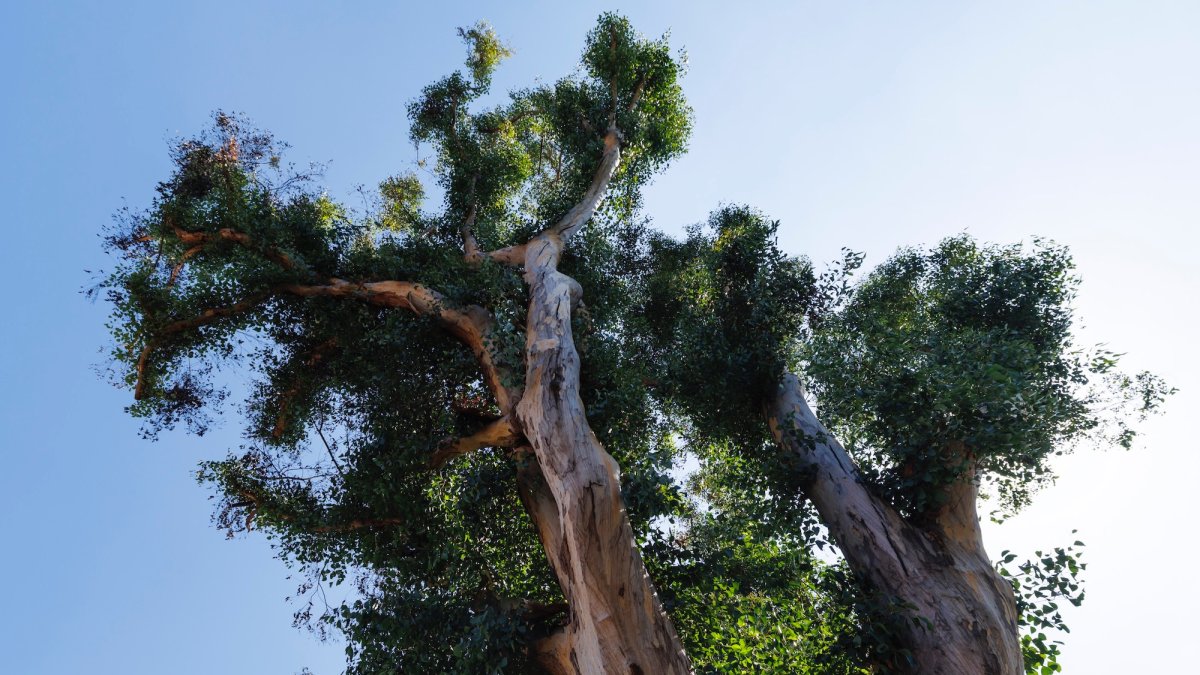
My fact for this week also had to do with wildfires, specifically those on the west coast that are fueled by eucalyptus trees. It turns out, none of those are native to the United States—they all came from Australia. Back in the mid 1800s, folks in the US thought eucalyptus was the solution to some major timber shortages. Those mattered a lot when we were building heaps of railroads, for instance. But introducing the trees didn’t exactly go as planned. While they did offer some environmental benefits (like windbreaks, shade, and soil quality improvements), they turned out to be completely useless for timber you’d use to build railroads. But there were already forests full of them out west (if you live in California, you’ve seen them). And they’re also saturated with very flammable eucalyptus oil, turning them into tree bombs when set ablaze. That’s not a great combo with a biome known for wildfires. And that’s not the only reason they’re dangerous—listen to the full episode to hear how they got their Aussie nickname, the “widowmaker.”
I learned all about these trees on my recent trip to the Blue Mountains, which is about two hours west of Sydney and totally blanketed in eucalyptus forests. In fact, they’re why the Blue Mountains are blue. Ricky also visited Sydney a few weeks ago, and decided to regale us with all of his strangest koala facts. Tune into Weirdest Thing this week to hear all about how they run on the ground at “full” speed (it’s not very fast), have brains as smooth as marbles, and grow to the size of 35,000 jellybeans.

2025 PopSci Best of What’s New
Science,The Weirdest Thing I Learned This WeekNews,podcasts#Americans #planted #entire #forests #exploding #Australian #trees1769613055