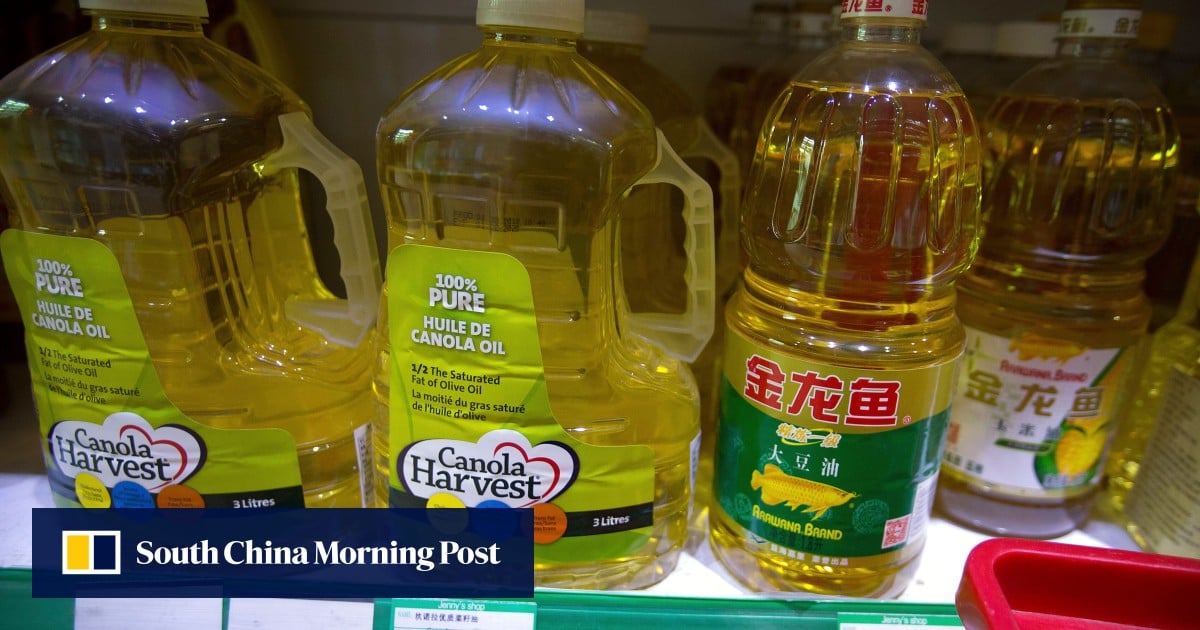
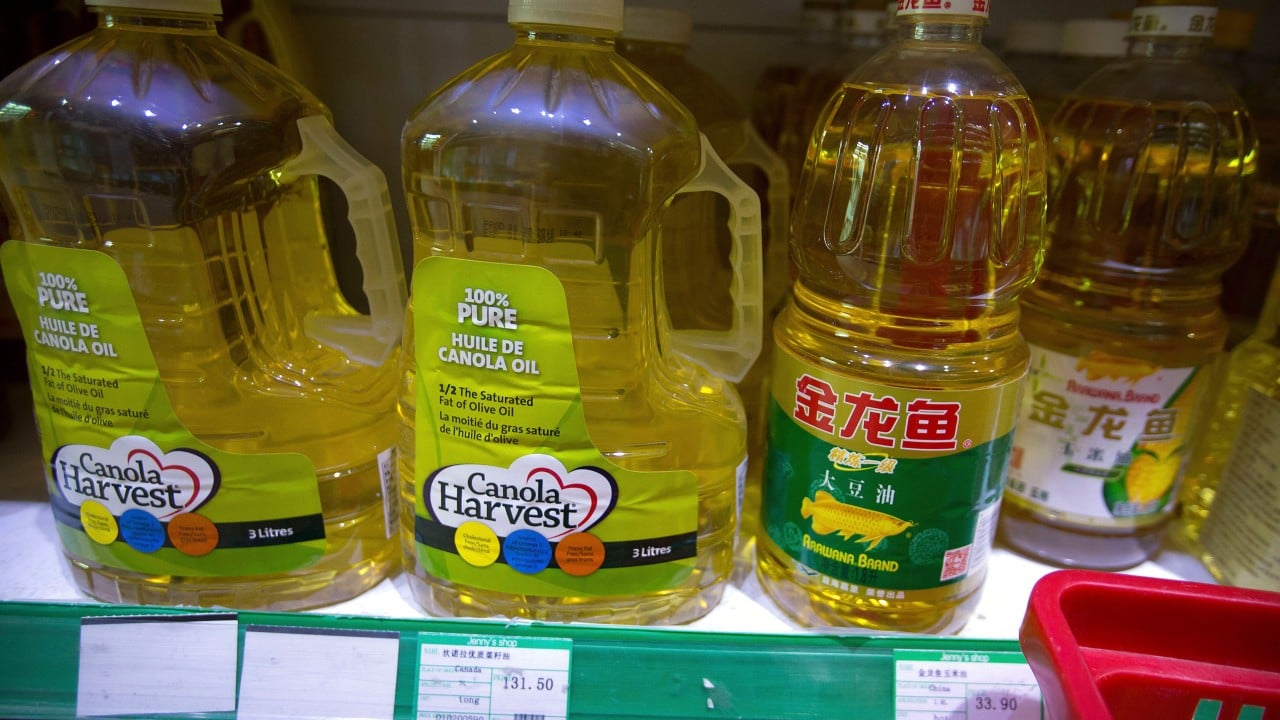
China’s resumption of Canadian canola purchases, brokered during Prime Minister Mark Carney’s state visit to Beijing last month, faces an uncertain year, with upcoming North American trade talks posing a significant risk, industry players warn.
Beyond the initial shipments, some insiders said, there remained “no public assurance” that imports would continue uninterrupted, as the United States was likely to turn the region, through a renewed trade pact with Canada and Mexico, into a “fortress”.
Canola is an oilseed crop used to produce cooking oil and animal feed. And Canada is a dominant force in this market, producing nearly a quarter of the world’s canola supply while accounting for roughly 60 per cent of its global trade in recent years, according to Alberta Canola, a non-profit organisation representing producers.
This significant market position underscores why canola featured prominently in last month’s “preliminary but landmark” deal reached between Beijing and Ottawa, with tariffs on China-bound sales lowered to a combined rate of about 15 per cent from 84 per cent by March 1.
But for Masood Rizvi, a Saskatchewan-based specialist in agricultural tech and canola breeding, the deal is far from a complete fix, and he remains sceptical about the long-term outlook.
“I would be cautious about characterising the canola trade between China and Canada as having fully ‘returned to normal’,” he said. “What we are seeing now is a measured resumption, not yet a structural reset.
Australia, Masood Rizvi, China, North American Free Trade Agreement, Rabobank, Mexico, United States, Saskatchewan, Canada, Ottawa, Canola Council of Canada, Alberta Canola, Beijing, South China Morning Post, Russia#ChinaCanada #canola #deal #faces #fragility #test #USMCA #trade #talks #loom #insiders #warn1770380247

Alberta Canola
Australia
Beijing
Canada
canola
Canola Council of Canada
China
ChinaCanada
Deal
faces
fragility
insiders
loom
Masood Rizvi
Mexico
North American Free Trade Agreement
Ottawa
Rabobank
Russia
Saskatchewan
South China Morning Post
talks
Test
trade
United States
USMCA
Warn