A week ago, I had never heard of Matt Shumer. Today, I and 80 million others have viewed his “Something Big is Happening” essay warning about the all-conquering power of the AI revolution, counselling us to maximise our use of artificial intelligence immediately and to put our finances in order. The message? A technology as flexible and powerful as AI will leave many people’s careers permanently devastated.
For the truly paranoid, Citrini Research’s 2028 Global Intelligence Crisis report this week vividly describes an apocalyptic scenario. As the American Enterprise Institute’s James Pethokoukis commented in Vox, “the folks already super-worried about AI are now super-worrying even harder”.
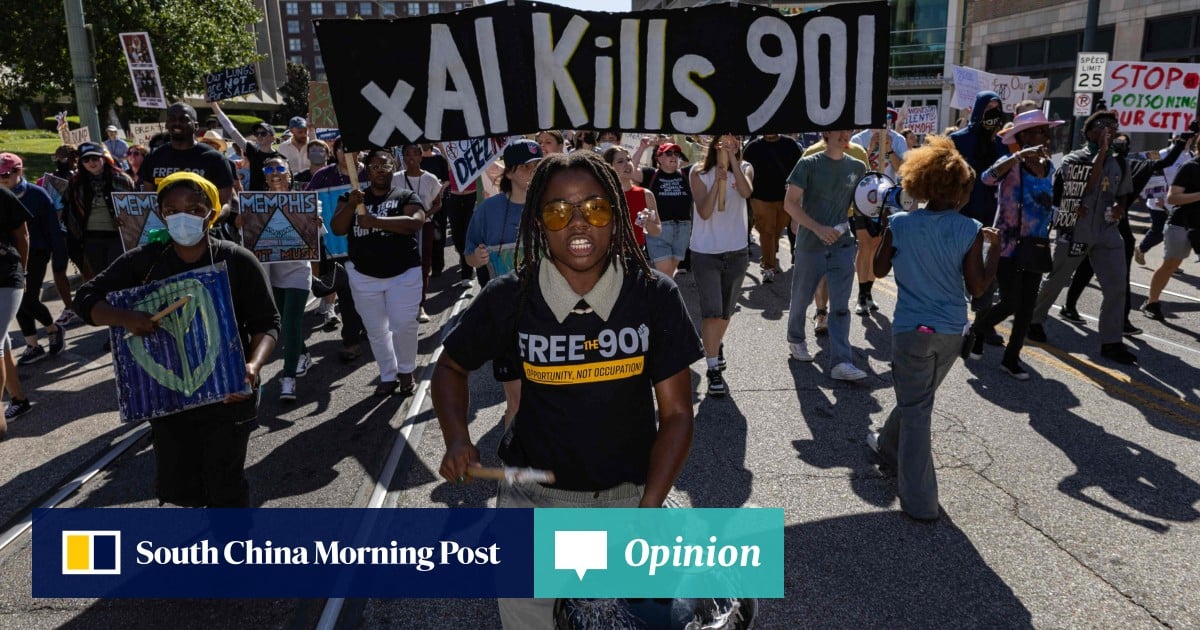
AI angst has hit the mainstream, with the hubris of many US tech titans set against a backlash – Stanford University’s Marietje Schaake calls it a “botlash” – from a remarkably diverse community of alarm.
As Schaake wrote in the Financial Times this week: “Across the US, grass-roots movements are forming to protest against various excesses and the effects of the technology, from parents furious about the harms done to children with chatbot companions to communities attempting to block data centres and objecting to company contracts with government agencies.”
Shumer’s essay comes not from the consumers of AI but its producers – within the “deep-geek” AI and coding community, where recent innovations have seen AI code-writers being superseded by AI agents: algorithms writing algorithms. Views on Shumer’s essay range from dismissing it as a masterpiece of hype to a description of the obvious.
Something big is happening but there is wide disagreement over the balance of good vs harm and our capacity to contain the dangers. There is consensus that we have faced many historically transformative moments before and adapted – but that this particular transformation is without precedent.

05:56
ByteDance ‘strengthening safeguards’ after Seedance AI video controversy
ByteDance ‘strengthening safeguards’ after Seedance AI video controversy
Dario Amodei, American Enterprise Institute, Harvard, Missouri, Anthropic, Marietje Schaake, Financial Times, Forbes, Silicon Valley, ChatGPT, Microsoft, AI, Matt Shumer, James Pethokoukis, Citrini Research#backlash #growing #hype1772181280

ai
American Enterprise Institute
anthropic
backlash
ChatGPT
Citrini Research
dario amodei
Financial Times
Forbes
growing
Harvard
hype
James Pethokoukis
Marietje Schaake
Matt Shumer
Microsoft
Missouri
silicon valley