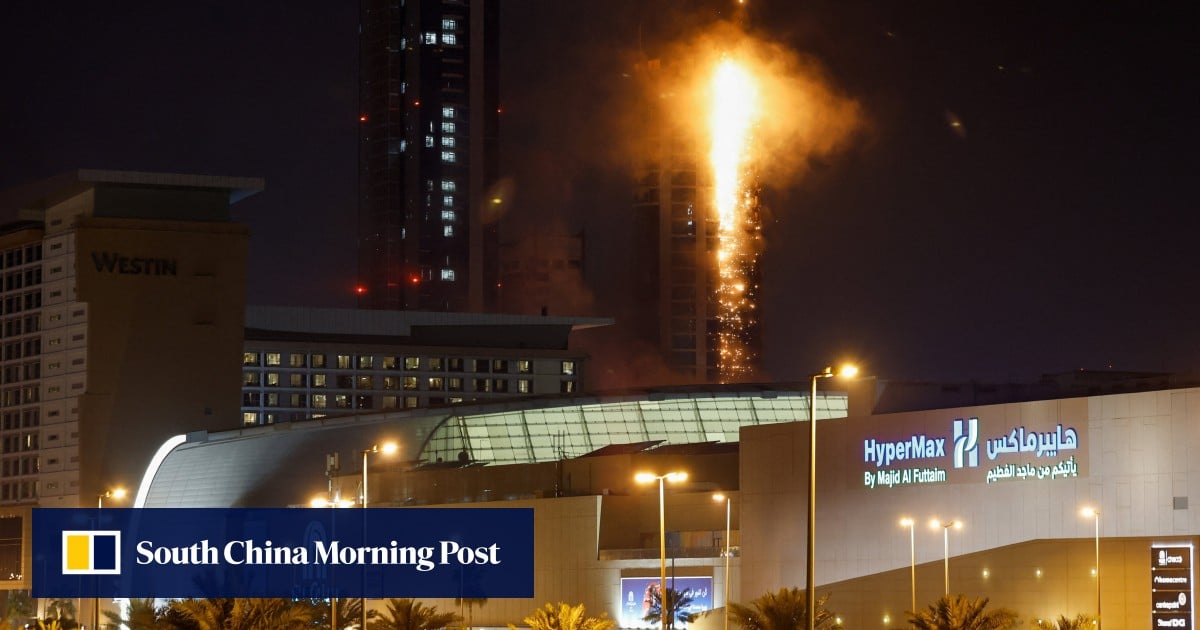
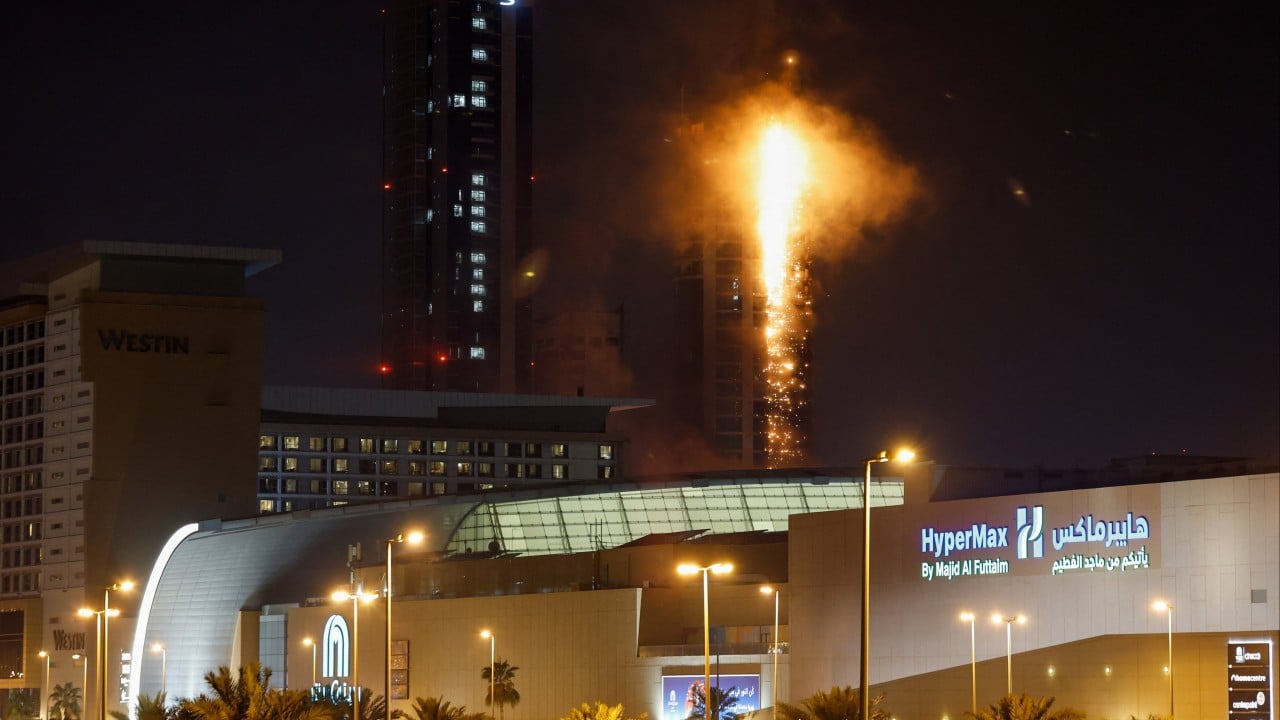
Thunderous blasts and towering fireballs from Iranian missiles streaking across Gulf states vindicated their leaders’ long-held fears that Tehran can bring war to their doorstep, likely to harden Arab rulers’ support for US-Israeli strikes.
Even in the Palm, Dubai’s swankiest resort, explosions rattled buildings and hit a luxury hotel, sending panicked residents running for cover as missiles and interceptors tore across the sky. It was a stark sign that the conflict had spilled beyond Iran’s borders – just as Tehran had warned it would.
“What has now been proven is that we – not the United States – are in the line of fire,” said Dr Ebtesam Al-Ketbi, president of the Emirates Policy Centre. “When Iran struck, it struck the Gulf first under the pretext of targeting US bases.”
Analysts say Iran’s strikes on Gulf countries are meant to show that no US ally in the region is beyond reach, and to raise the cost of backing Washington’s campaign.
“The danger is that any miscalculation could push the region from an exchange of signals into an open war,” added Al-Ketbi.
Gulf sources say that by targeting oil-rich Gulf states, Tehran is “internationalising the battlefield” and threatening global oil flows, not just regional security.
Dubai, Mohammed Baharoon, Emirates Policy Centre, Tehran, Strait of Hormuz, Iraq, Donald Trump, Dr Ebtesam Al-Ketbi, Paul Salem, Saudi Arabia, Middle East Institute, Gulf Cooperation Council, Abdelkhaleq Abdulla, Iran, Gulf#Iran #internationalises #battlefield #retaliatory #missiles #put #Gulf #firing #line1772343399

Abdelkhaleq Abdulla
Battlefield
Donald Trump
Dr Ebtesam Al-Ketbi
Dubai
Emirates Policy Centre
firing
Gulf
Gulf Cooperation Council
internationalises
Iran
Iraq
Line
Middle East Institute
missiles
Mohammed Baharoon
Paul Salem
put
retaliatory
Saudi Arabia
Strait of Hormuz
Tehran