Brewing beer relies on a very simple living thing–brewer’s yeast. The microorganisms thrive on mashed grains, converting sugars into both alcohol and carbon dioxide along the way. But there’s not much use for yeast after the pints are poured. However, recent experiments indicate there may be a way to recycle the massive amounts of fermentation waste into something especially sustainable: lab-grown meat.
According to a study recently published in Frontiers in Nutrition by researchers at University College London, beer yeast’s second life may come from its bacterial cellulose. Similar to the cellulose in plants, the organic substance forms a protective layer around yeast cells and provides them with a sturdy shape. Researchers are increasingly interested in ways to harness this rigidity for a wide range of uses, including 3D-printed bandages and plant-based meals. But while lab-grown meat is more common and accessible than ever, the industry still faces challenges when it comes to affordability and properly imitating the real thing.
“While it’s relatively easy to grow animal cells for mass food production you need to be able to grow them on something cheap, edible and that preferably provides a structure that resembles real meat,” study co-author and UCL medical researcher Richard Day explained in a statement.
To test yeast waste’s viability in its alternative role, Day and colleagues took a batch of old brewing bacteria and utilized it to culture Komagataeibacter xylinus—a bacterium with particularly strong cellulose. Next, they placed the new cellulose into a “chewing machine” that repeatedly compressed it to assess its physical properties. The team discovered that bacterial cellulose grown from brewer’s yeast not only equaled conventional methods, it supported animal cells known as fibroblasts. This strongly suggests yeast-based cellulose could be used in making artificial meat.
“One of the biggest hurdles in cultivated meat is replicating the ‘mouthfeel’ and texture of real meat,” said study co-author and UCL Division of Medicine researcher Christian Harrison. “Our findings suggest that bacterial cellulose grown on brewing waste not only supports cell growth but also mimics the mechanical properties of meat more closely than other scaffolds.”
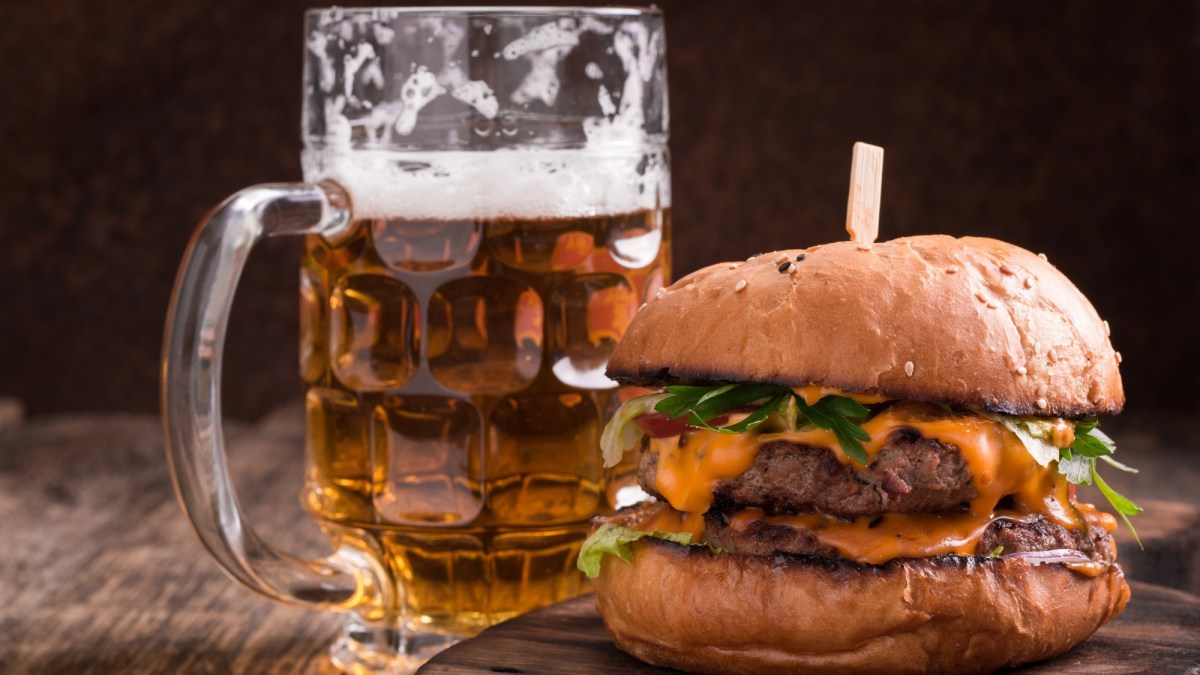
There is still a lot of work to be done, but early analysis indicates there may soon come a day when yeast helps craft both your pint of beer and its accompanying burger.

2025 PopSci Outdoor Gift Guide
Science,Agriculture,Environment,Health,Nutrition,Sustainabilityculture,food,Meat,News#Beer #waste #helps #labgrown #meat #taste #meatier1767731517