The route to challenging China’s supremacy in rare earth minerals lies in using artificial intelligence (AI) and quantum computing to create synthetic substitutes or alloys, according to a prominent American expert in AI.
Jack Hidary, CEO of SandboxAQ, an AI and quantum technology Alphabet spin-off, said these technologies could cut the time required to secure critical materials to just a few years. This could bypass the traditional 10 to 20 years needed to bring a new mine online while also mitigating the geopolitical risks associated with concentrated supply chains.
However, some analysts argue that China’s entrenched dominance in the sector will be difficult to dislodge. They cite the immense challenge of transitioning from laboratory breakthroughs in rare earth chemistry to the kind of large-scale industrial processing and manufacturing that Beijing has perfected over decades.
China controls most of the world’s rare earth mining and nearly 90 per cent of all processing and refining capacity. Western governments are racing to build independent supply chains but have struggled to break this stranglehold.
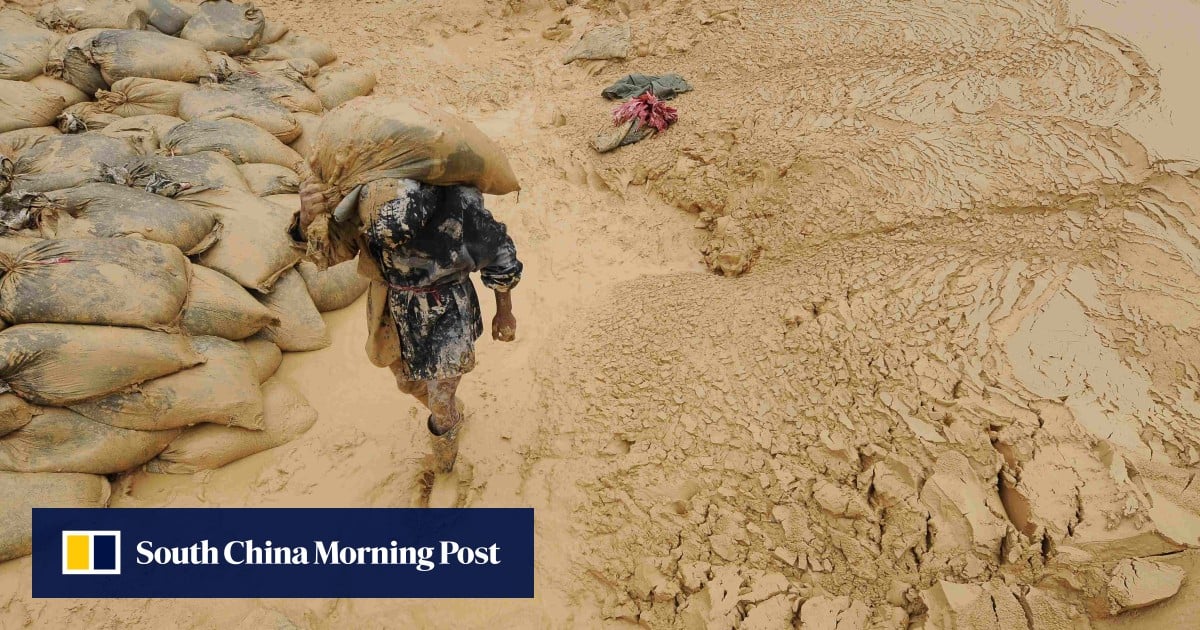
China captured the processing market by taking on significant environmental and health risks of a kind that Western nations shunned, allowing it to dominate the “dirty” and chemically hazardous end of the industry.
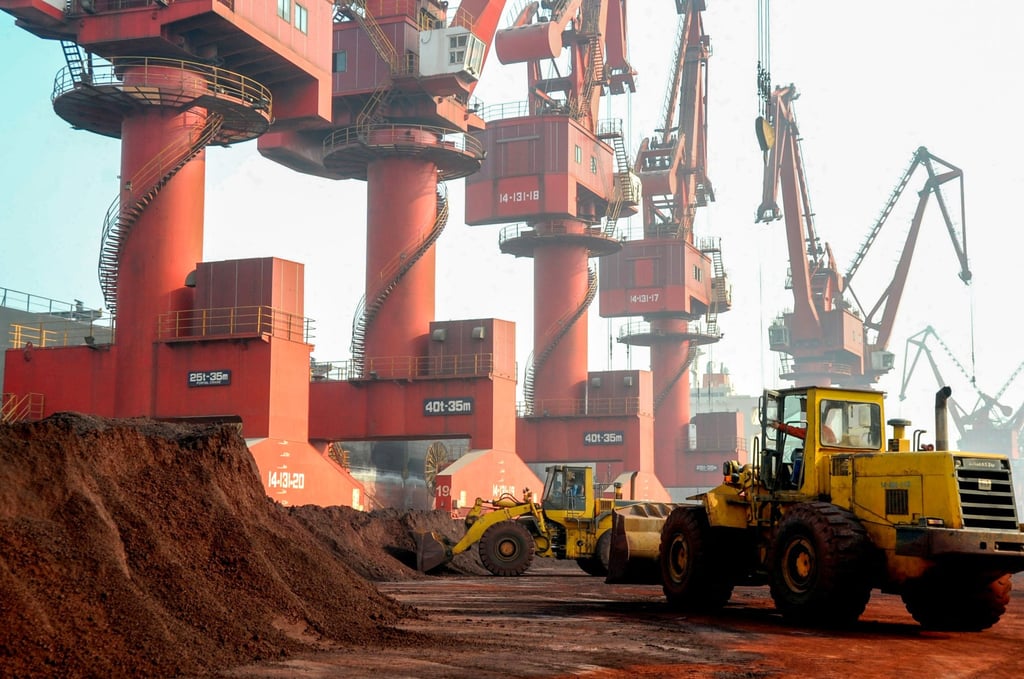
As strategic tensions have grown in recent years, China has imposed various targeted export bans and restrictions on certain heavy rare earth elements.
Davos, Alphabet, Democratic Republic of Congo, China, Beijing, Jack Hidary, Greenland, AI, Jack Lifton, Mountain Pass, American, California, Kai Xue, Institute of Development Studies, House Mountain Partners#unlock #Chinas #rare #earths #grip #quantum #computing1771150761

ai
Alphabet
American
Beijing
California
China
Chinas
Computing
Davos
Democratic Republic of Congo
Earths
Greenland
grip
House Mountain Partners
Institute of Development Studies
jack hidary
Jack Lifton
Kai Xue
Mountain Pass
Quantum
rare
Unlock