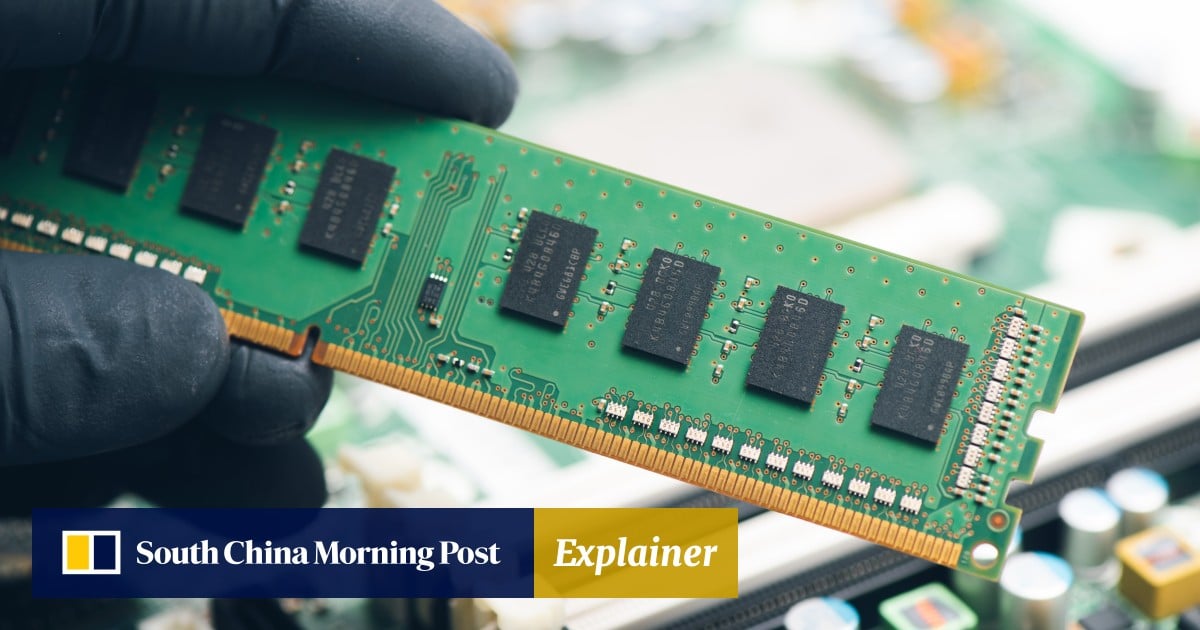
The shortages and associated price increase in the global memory chip sector could potentially intensify, as the US government threatened to impose hefty new tariffs on some major foreign manufacturers.
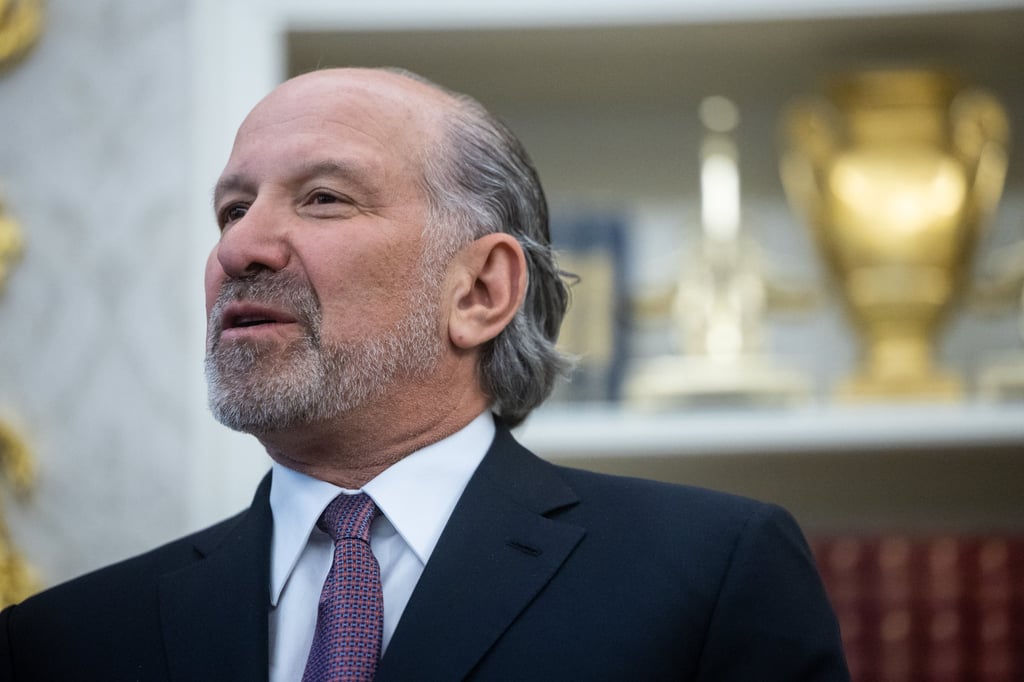
Speaking at Friday’s groundbreaking ceremony for Micron Technology’s US$100 billion factory in New York, US Commerce Secretary Howard Lutnick warned that memory chipmakers – without naming any company – had two options: “They can pay 100 per cent tariff, or they can build in America.”
Samsung Electronics and SK Hynix are the world’s top two manufacturers of memory chips, while Nanya Technology and Winbond Electronics are among Taiwan’s biggest memory chipmakers.
Washington’s latest tariff posture comes as a “super cycle” continues to unfold in the memory chip sector, in which the world’s three major suppliers – Samsung, SK Hynix and Micron – allocate advanced process capacity to high-end dynamic random-access memory (DRAM) and high bandwidth memory (HBM) for artificial intelligence workloads, according to Taipei-based research firm TrendForce. That limited the supply for consumer DRAM, which affected the consumer electronics market.
What is the HBM-led memory super cycle?
South Korea, semiconductor, artificial intelligence, smartphones, data centres, personal computers, cameras, consumer electronics, Morgan Stanley, Oxford Economics, US tech sanctions, CXMT Corp, AI, Howard Lutnick, ChangXin Memory Technologies, Memory chips, Samsung Electronics, CXMT, HBM, Nanya Technology, DRAM, SK Hynix, Nvidia, Advanced Micro Devices, Micron, Taiwan, Bank of America#Explainer #Global #memory #chip #crunch #set #intensify #Trumps #industrial #policy1768822980

Advanced Micro Devices
ai
artificial intelligence
bank of america
cameras
ChangXin Memory Technologies
chip
consumer electronics
crunch
CXMT
CXMT Corp
Data centres
DRAM
Explainer
global
HBM
Howard Lutnick
Industrial
intensify
memory
Memory chips
Micron
Morgan Stanley
Nanya Technology
nvidia
Oxford Economics
personal computers
policy
Samsung Electronics
semiconductor
set
SK Hynix
smartphones
South Korea
Taiwan
Trumps
US tech sanctions