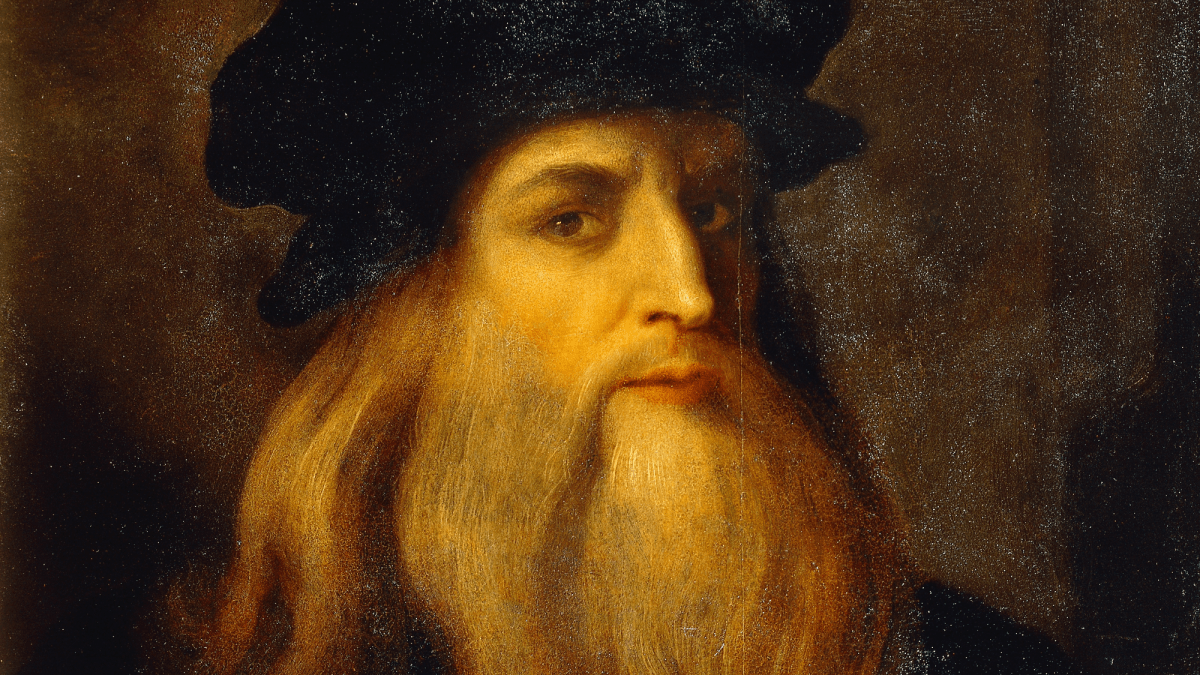
Scientists are one step closer to pinpointing fragments of Leonardo da Vinci’s elusive DNA.
A team of researchers from the Leonardo da Vinci DNA Project analyzed samples swabbed from a red chalk drawing possibly attributed to the famed polymath, as well as letters written by one of his known cousins. Buried within that jumble of genetic material were human Y-chromosome sequences that belong to the same genetic grouping, sharing a common ancestry in Tuscany, the region where da Vinci was born. Specifically, they belong to the broad E1b1b lineage on the Y chromosome, which is passed from father to son.
The findings, presented this week in a preprint paper on the BioRxiv server, suggest that the DNA on the painting may belong to the storied Italian Renaissance man. If so, it would mark the first time scientists have identified his DNA.
Though the researchers caution that they can’t link the DNA to da Vinci with absolute certainty, the investigative process they describe shows how recent advances in modern genetics could reshape the way the art world thinks about authenticating works. A process currently accomplished by painstakingly poring over brushstrokes and making educated guesses could become more precise by looking for biological signatures like fingerprints left behind by an artist. On a more personal level, the findings mean researchers involved in this work are a step closer to finally identifying da Vinci’s DNA—a journey that began nearly a decade ago.
“Together, these data demonstrate the feasibility as well as limitations of combining metagenomics and human DNA marker analysis for cultural heritage science, providing a baseline workflow for future conservation science studies and hypothesis-driven investigations of provenance, authentication and handling history,” the team writes in their paper.
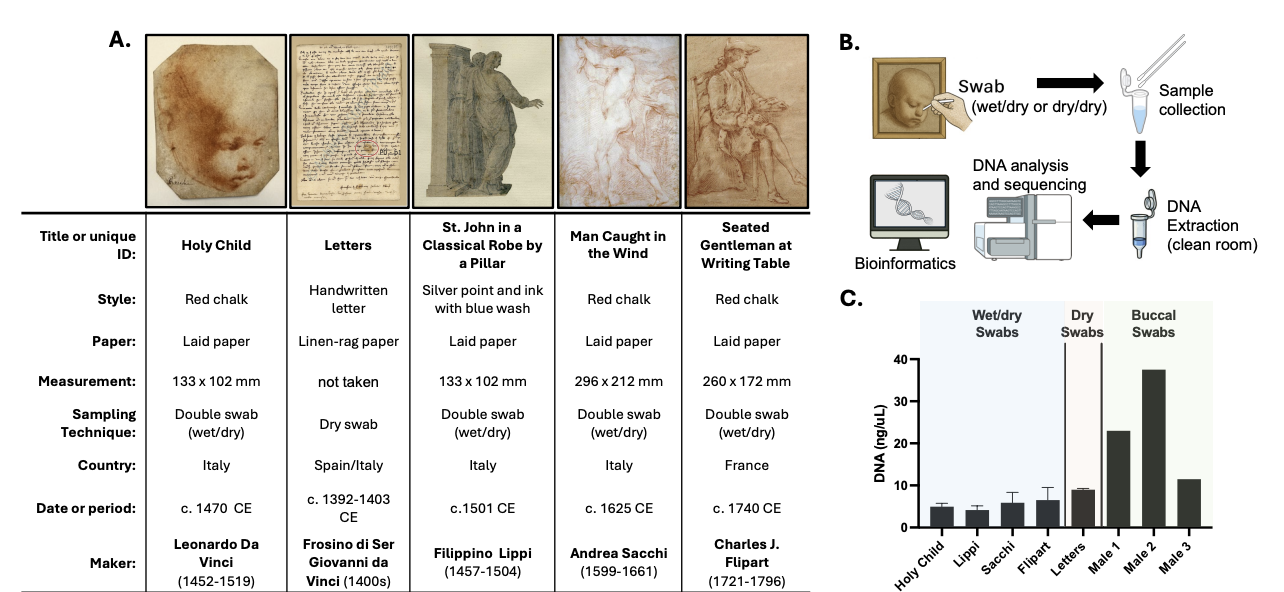
Paper lead author and University of Maryland and microbiologist Norberto Gonzalez-Juarbe, who has worked with the da Vinci DNA project for years, tells Popular Science that he initially started looking for the presence of microbes in art pieces and cultural artifacts for conservation purposes. Successful findings there led him and his colleagues to hypothesize that human biological signatures might also be embedded in those artifacts.
“Thus, we aimed to present a platform that could be used to study the multi-kingdom DNA present,” Gonzalez-Juarbe says.
Da Vinci’s lost DNA
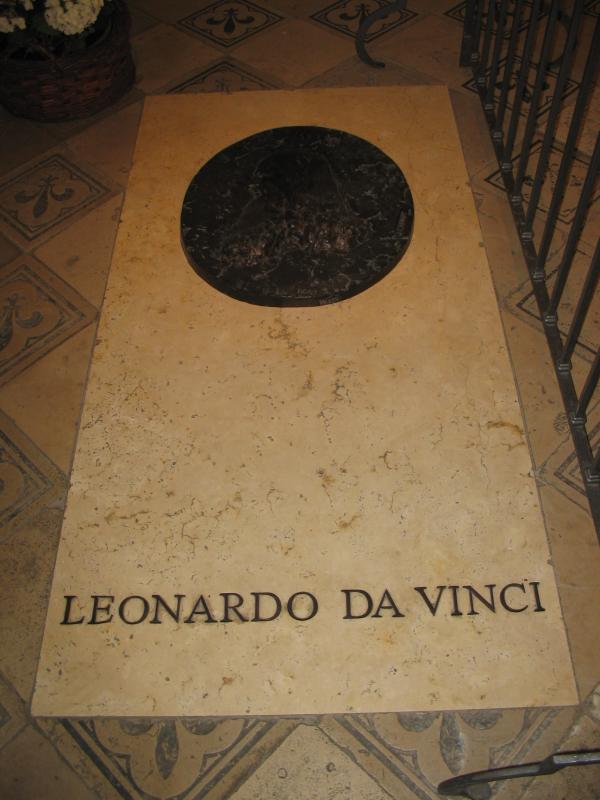
Despite being one of the most widely known figures of the European Renaissance, da Vinci’s genetic history is shrouded in mystery. Researchers in Italy claim to have identified 14 living descendants of his direct relatives, but as far as historians can tell, da Vinci didn’t father any children of his own. Analyzing his own remains also isn’t possible because the church he was buried in fell into ruin following the French Revolution. Researchers have also thus far been denied access to his presumed tomb at The Château d’Amboise in Amboise, France.
That left science sleuths to search for trace signs of genetic material the painter may have left on his works. In this case, researchers turned to the chalk drawing titled “Holy Child,” which had been in the private collection of the late art dealer Fred Kline for the past 20 years. Gonzalez-Juarbe says he and his colleagues reached out to Kline about studying drawing before he died.
After some initial testing to determine the right extraction protocols, Gonzalez-Juarbe gently swabbed the drawing’s surface in April 2024 using a “minimally invasive” technique meant to collect biological signatures without damaging the work. That small swab, similar to the type so many people stick their nostrils for a COVID-19 test, collected hints of half millennia worth of history
Sorting through genomic history
Since paper is porous, it absorbs even faint traces of sweat and skin, both of which can carry whispers of DNA. But paper doesn’t discriminate among DNA sources. That’s why researchers can’t simply look for signs of da Vinci’s genetic material on the “Mona Lisa” or “The Last Supper.” In both cases, countless human hands have made contact with these works over the past 500 years, leaving behind a jumble of genetic signatures.
One of those human hands belonged to Kline. Luckily his wife remembered that he had previously sent a vial of his saliva to the personal genetics company 23andMe. Gonzalez-Juarbe and his colleagues were able to obtain that DNA sequence and effectively eliminate it from the list of possibilities. But that was just a drop in the genetic ocean. In reality, the vast majority of the DNA recovered from “Holy Child” wasn’t of human origin at all: around 99 percent came from bacteria, fungi, and plants.
Some of that nonhuman DNA proved useful. The researchers discovered that one of the sequences belonged to sweet orange trees (Citrus sinensis), which were known to be cultivated in Medici gardens in central Italy during da Vinci’s era. That clue told the geneticists that they were on the right track. The team also found signs of Plasmodium DNA. The single-celled parasite was endemic to the same region of Italy and was responsible for the death of several Medici family members. DNA fragments from plants and animals known to have been used in art shops at the time were also found.
Related Stories
“There were non-human sequences that mapped to animals, plants and other microbes that match the type of environment of Tuscany at the time of Leonardo,” Gonzalez-Juarbe says. “For example, the presence of plants such as sweet oranges, known to be a symbol of power to the Medici family and present in their palaces and gardens.”
However, to narrow down the remaining human DNA, they needed a point of comparison. That’s where his relatives’ correspondence came into play.
Since researchers knew the corresponding letters had shifted hands between several da Vinci descendants (and was sealed shut with a thumb), they could have confidence that the Y chromosome segments were in his lineages. Y chromosomes are passed down from father to son and remain essentially unchanged through many generations.
In this case, the Y chromosome samples in both the drawing and the letters were traced back to a haplogroup labeled E1b1b, which is traced back to Tuscany. This suggests the DNA sequence found in the drawing and in the letters are from the same family lines.
“The [human] samples had composite profiles that show more than one person handled the piece and having more than one artifact from two different locations showing a similar Y chromosome marker was the interesting observation,” Gonzalez-Juarbe says. “However, this needs to be further validated by additional sampling. We cannot confirm at this stage that the result is the lineage of Leonardo just yet.”
So we might have Leonardo’s DNA. Now what?
It is worth noting that all of this is only possible thanks to rapid advances in modern genetics, which allow scientists to read tiny DNA fragments and determine their source. This simply wasn’t feasible until the late 20th century.
Shotgun genome sequencing, the technique used in this study, lets scientists sequence all the genetic material in a sample at once, rather than targeting one gene at a time. Over the past several decades, researchers have also compiled vast genomic databases, enabling them to quickly cross-reference their results.
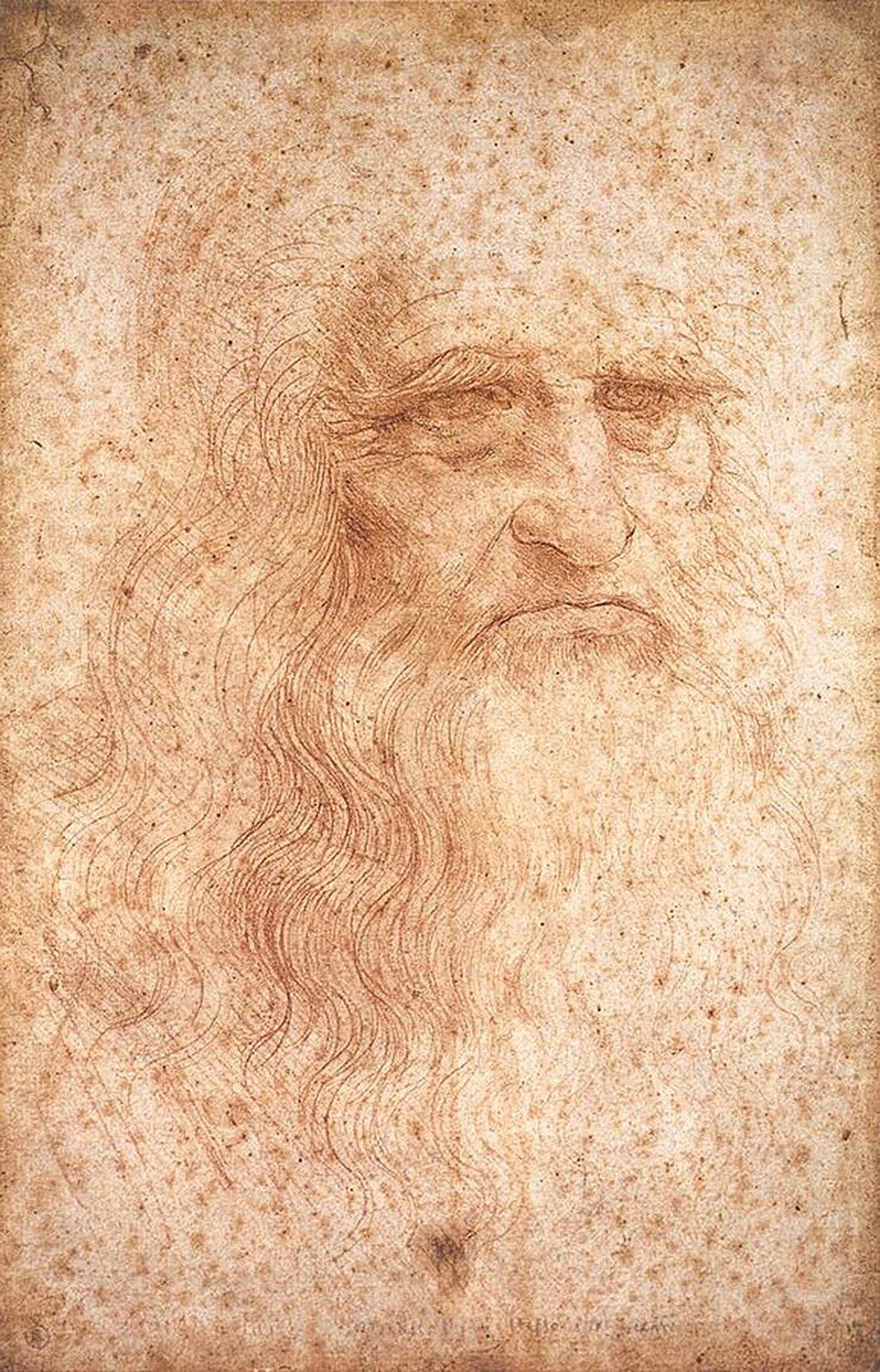
Sequencing da Vinci’s genome could open up numerous possibilities. Most obviously it could shed light on physical features like the inventor’s eye and hair color, as well as height. But could also poetically help answer one theory surrounding his abilities. Some art historians believe da Vinci may have had an innate ability to “see” more frames per second than the average person. If that’s true, analyzing his genome could provide insight into whether there’s a genetic trait linked to that ability.
And the possibilities don’t stop with da Vinci alone. If geneticists can sequence his genome, researchers could theoretically look for that same biological signature in other works of questionable origin to see if they were truly touched by his hands. There’s no reason the same principle couldn’t be applied to other artists as well. That ability to authenticate artworks could make a real dent in the estimated $4 to 5 billion in art fraud reported each year.
Moving forward, Gonzalez-Juarbe says he’s hopeful this report will increase their odds of getting access to analyzing additional da Vinci drawings and letters. The end goal of all of that, he says, is to piece together a fuller picture of individuals who left an outsized mark on history.
”We would like to learn more about his story, about his lineage and about him as a visionary,” Gonzalez-Juarbe adds.

2025 PopSci Outdoor Gift Guide
Technology,Biology,ScienceFeatures,genetics,News#Science #sleuths #Leonardo #Vincis #DNA1767981688