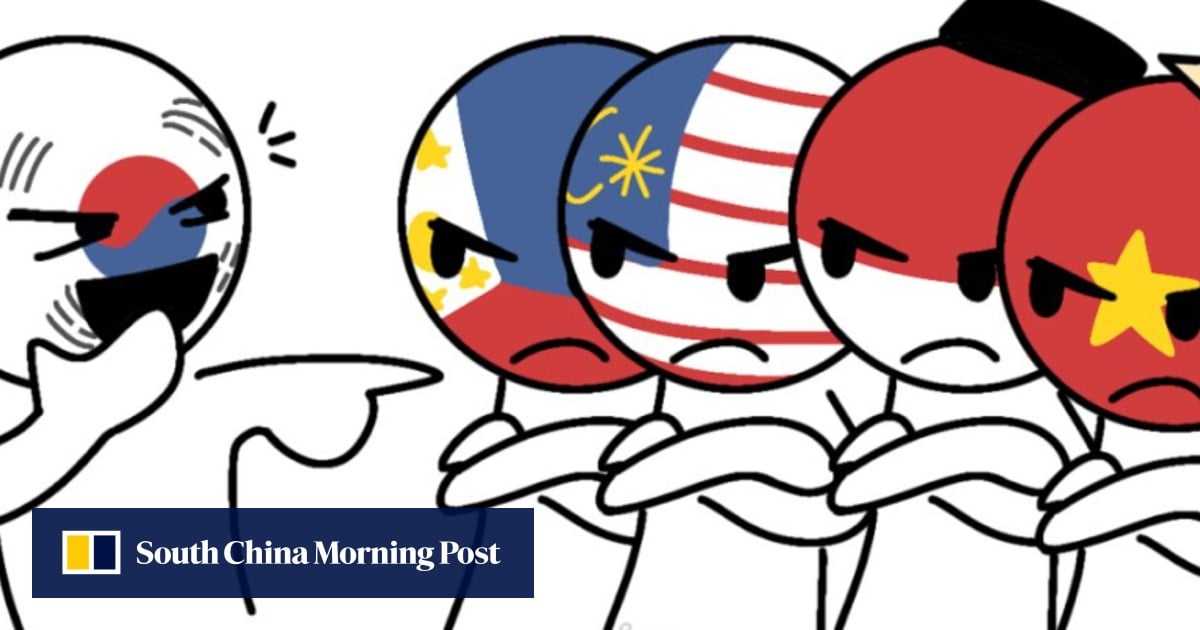
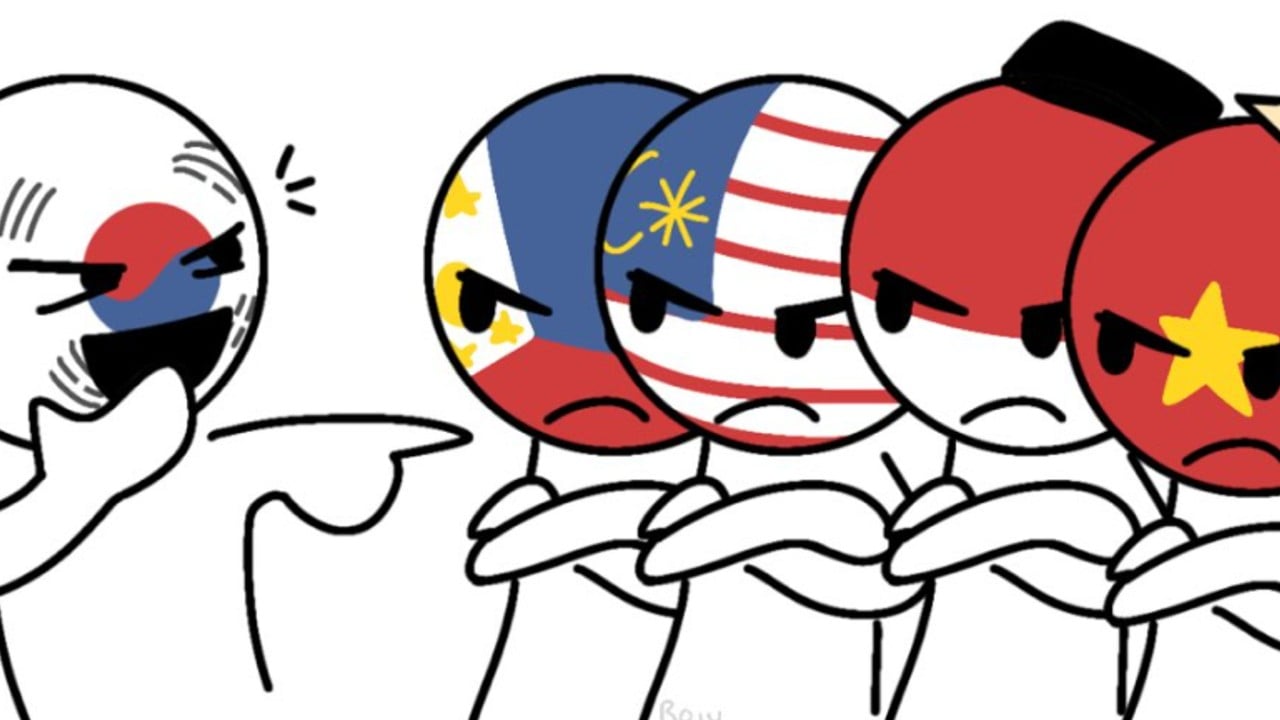
#SEAblings – short for “Southeast Asian siblings” – has increasingly been used by young Southeast Asians to signal regional solidarity, be it over a controversial concert or a political event. Whether such moments are fleeting or have the potential to morph into a sustainable movement is a subject of debate.
The hashtag’s latest surge followed a dispute over camera rules at a K-pop rock concert in Kuala Lumpur, which escalated into a much wider online clash.
For some sociologists, the question is not whether the quarrel mattered, but what the response of young Southeast Asians suggests about how they see themselves.
Iim Halimatusa’diyah, a visiting senior fellow at the ISEAS-Yusof Ishak Institute’s regional social and cultural studies programme, described #SEAblings as “an articulation of a growing regional identity” among this generation.
“However, it is not that young people ‘discovered’ Southeast Asia as a collective identity overnight. It is the digital platforms that made it possible for this identity to be performed, shared and amplified,” she said.
The hashtag gained traction recently after footage circulated appearing to show a person supposedly associated with a Korean fansite using professional camera equipment at the South Korean rock band Day6’s show in Kuala Lumpur on January 31, despite rules prohibiting such devices.
Edith Cowan University, National University of Singapore, Malaysia, Southeast Asia, Jakarta, South Korea, Kuala Lumpur, Amorisa Wiratri, Day6, Singapore, Philippines, Affan Kurniawan, Indonesia, Halimatusa'diyah, ISEAS#SEAblings #Southeast #Asias #symbol #digital #solidarity1772682221

Affan Kurniawan
Amorisa Wiratri
Asias
Day6
digital
Edith Cowan University
Halimatusa'diyah
Indonesia
ISEAS
Jakarta
Kuala Lumpur
malaysia
National University of Singapore
Philippines
SEAblings
Singapore
solidarity
South Korea
Southeast
Southeast Asia
symbol
Recent Post



Gallery






Featured Videos