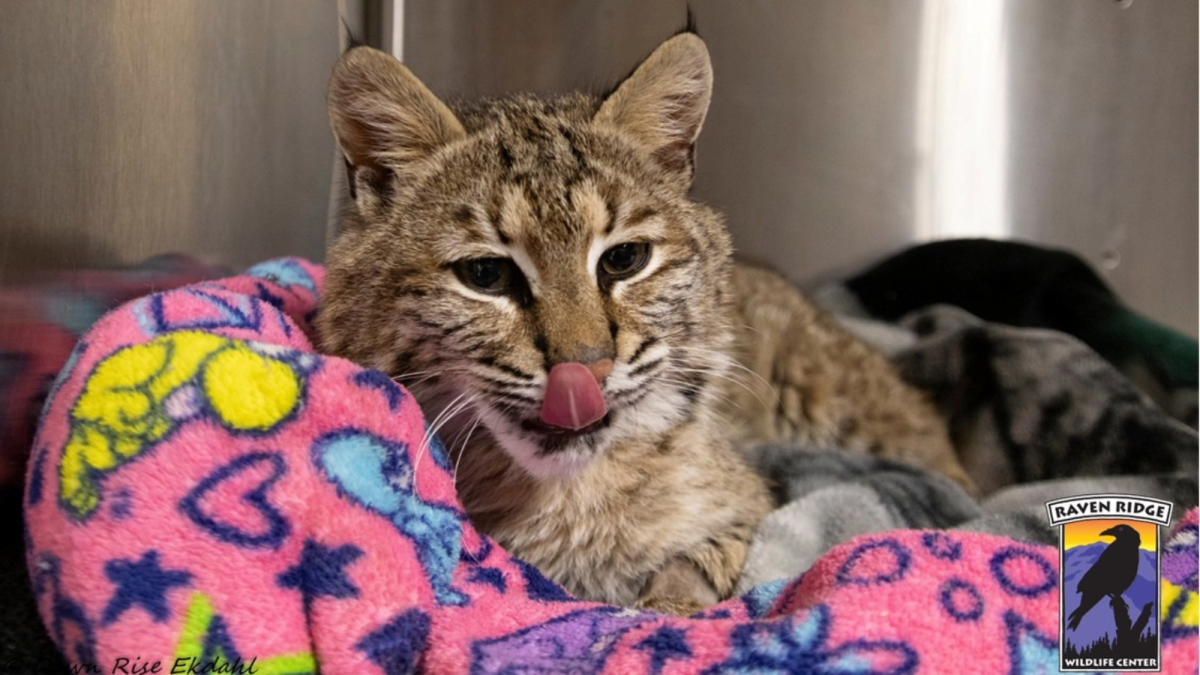
In February, Tracie Young, director of the Raven Ridge Wildlife Center in Pennsylvania, received an unforgettable phone call. A game warden asked if the center in southeastern Pennsylvania had room for a bobcat that had been hit and dragged by a car.
Photographs on Facebook of the incident are horrific, capturing the wild feline with its head jammed in the vehicle’s grill. Young said yes, but with little hopes that the bobcat would survive the drive.
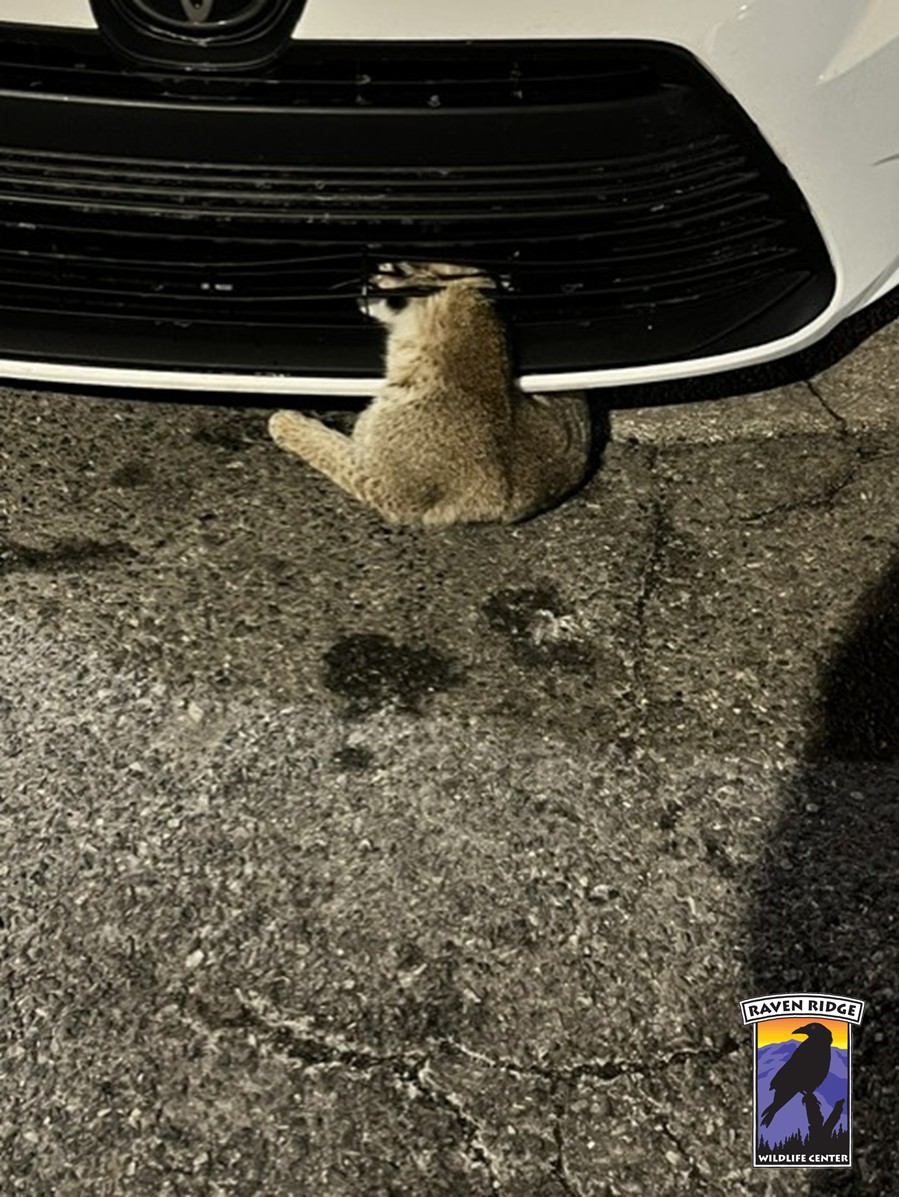
Despite her expectations, the cat made it to the facility, though it was clear it was suffering severely. The team needed to get X-rays to really understand the nature of its injuries. But it was a Sunday, and the nearby veterinary practice was closed until the next morning.
A fortunate series of connections thus leapt into action. Young called a friend who knew an equestrian veterinarian who owned a mobile x-ray machine and brought it over to Raven Ridge. They found that the bobcat had broken both its front and back right leg, which was consistent with the right-side impact.
While consulting a wildlife rehabilitator with bobcat experience, Tracie sent the x-rays to the wildlife center’s veterinarian. The vet was out of state, but sent the x-rays to two orthopedic surgeons. The team, now six-person-strong, faced a very difficult question—was it worth operating on the young female bobcat?
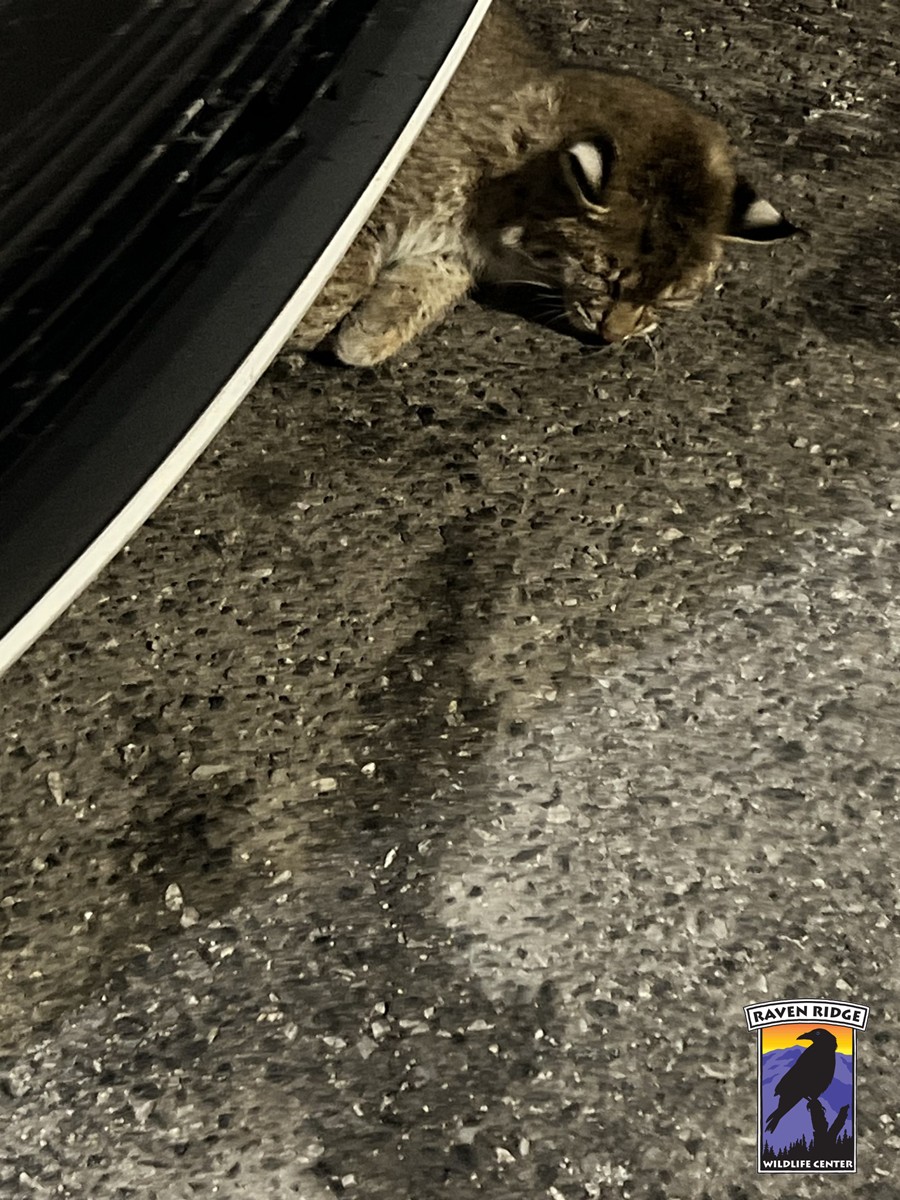
While this might sound harsh, they needed to consider several factors. Would the cat be able to recover completely? Would she be able to stay in captivity during her rehabilitation? It’s next to impossible for shattered bones in a wild animal to heal properly, and operating on an injured joint would cause arthritis. In both of these scenarios, the animal would have to be put down.
In her misfortune, the bobcat was actually lucky—her bones had broken cleanly, and the fracture wasn’t in a joint.
“I’m really shocked that there wasn’t more facial trauma. If she had lost an eye, we wouldn’t be able to release her back into the wild, as she is a predator and cannot survive with only one eye,” Young tells Popular Science. Fortunately, “everyone agreed that this surgery was worth the risk.”
As such, the team operated on the bobcat the next morning. The surgery cost more than $9,000 and lasted over four hours as two different surgeons each worked on one of the broken legs at the same time. She is now back at Raven Ridge Wildlife Center and on three different pain medications.
Caring for a feline is no easy feat—they have to keep her from running or jumping for two months. But she’s doing “fantastic,” according to Young, much to the relief of the woman who accidentally hit the cat and her husband. The bobcat has been eating, hissing, and growling more. In short, “she’s starting to act like a bobcat.”

In around five weeks, she’ll be due for another round of x-rays to track her progress, and the goal is to eventually release her back into the wild. In the meantime, drivers can take steps to try to prevent these sorts of incidents, particularly at this time of the year. January through April is bobcat mating season, which means animals are out and about, looking for mates and dens.
“They can be a bit unpredictable,” Young points out. “So, take your time and be aware of your surroundings. Stay cautious. If you ever encounter a situation involving wildlife, especially a potentially dangerous animal like a bobcat, make sure to contact a wildlife rehabilitator or a wildlife agency for assistance.”

2025 PopSci Best of What’s New
Environment,Animals,Science,WildlifeNews#Wild #bobcat #making #remarkable #recovery #hit #car1772898135